
Traditional Catalan cuisine is full of recipes in which vinegar has played an important role throughout history. From pickled dishes to the most emblematic salads, this ingredient has long been present in our kitchens, bringing acidity, balance and character to many preparations.
But its possibilities go much further. At Badia Vinagres, we have been working for some time to raise awareness of vinegar’s gastronomic potential and demonstrate that it is not just a condiment, but an ingredient capable of enhancing flavours and bringing new nuances to cooking.
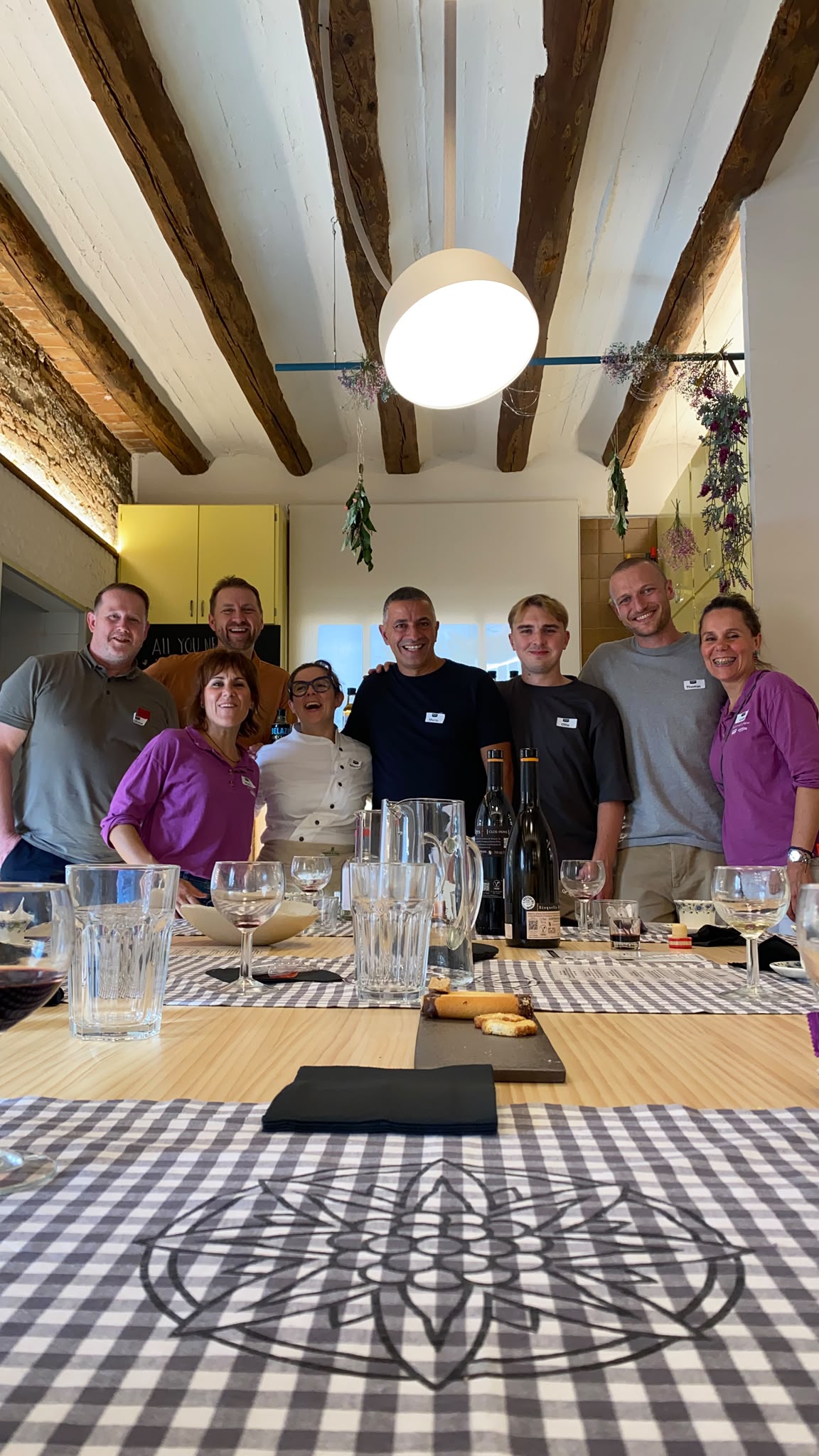
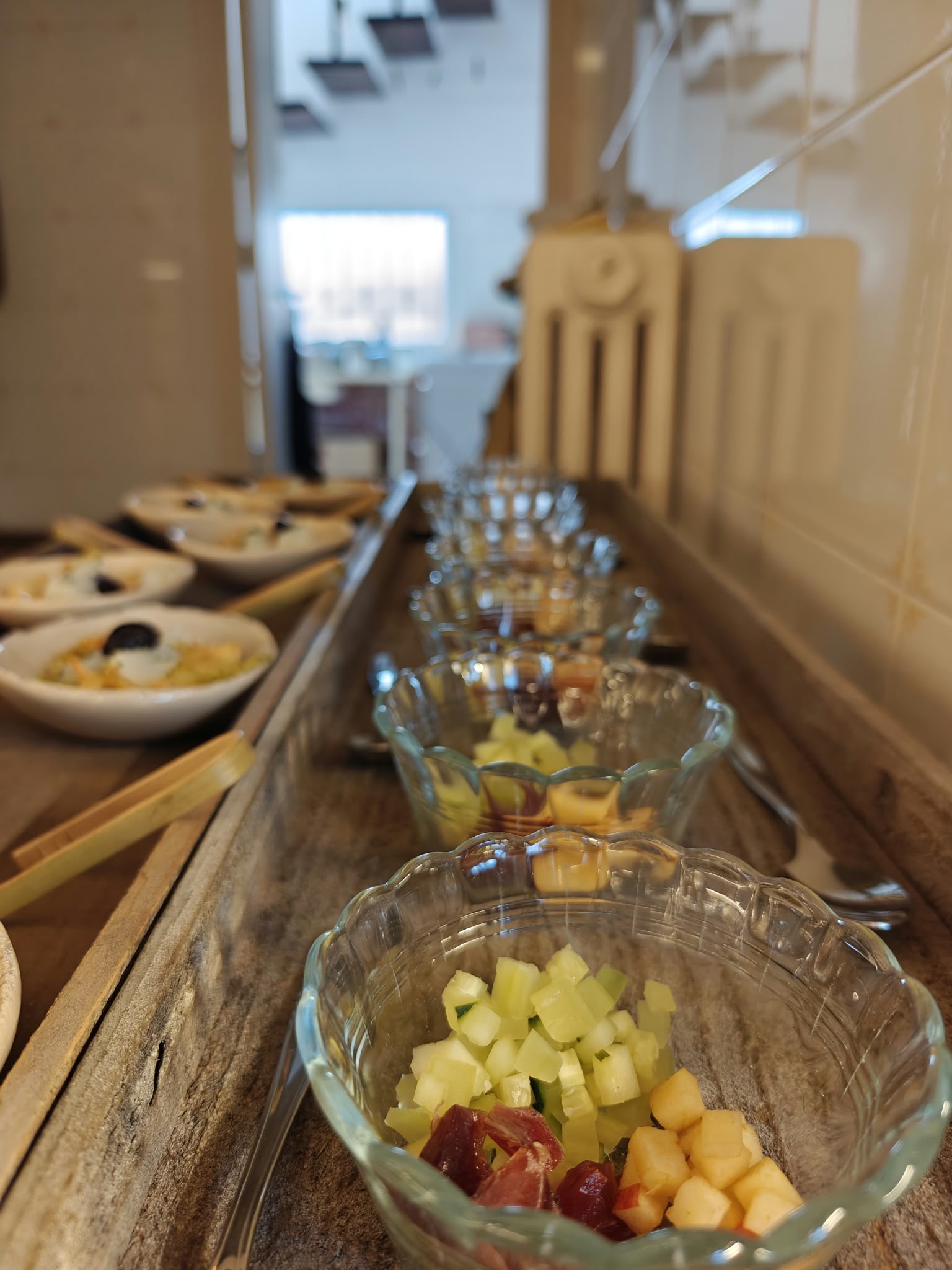
With this in mind, we recently organised a gastronomic experience in collaboration with Montse Freixa, who created a tasting menu inspired by traditional Catalan cuisine, featuring seven dishes and seven different vinegars.
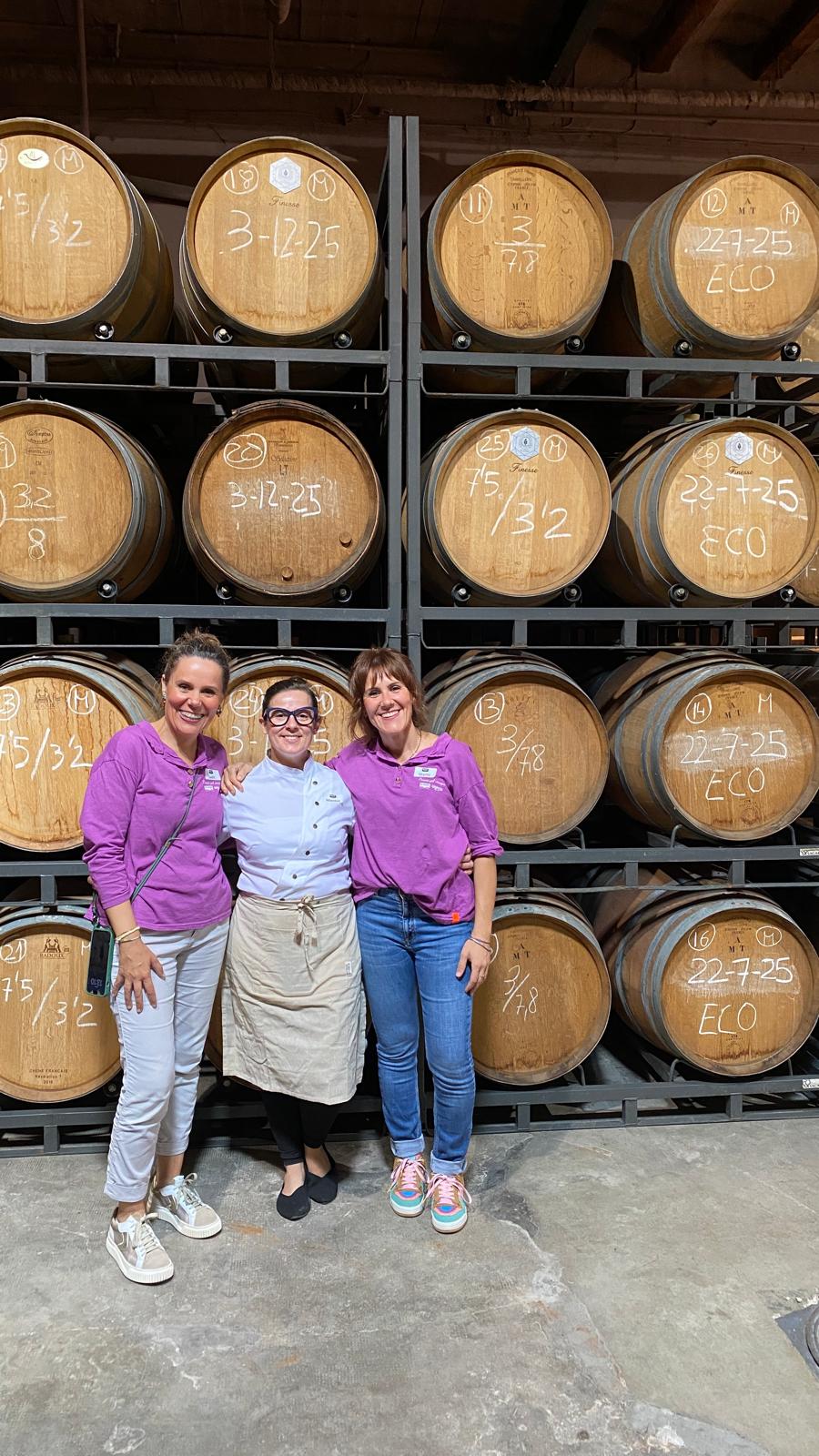
The idea arose from a visit to our vinegar production facility by two groups of English customers. We wanted to offer them an experience that would allow them to learn more about our products while discovering part of our gastronomic culture.
Rediscovering traditional cuisine through vinegar
The starting point was to revisit dishes rooted in our culinary tradition and explore how a carefully chosen vinegar can bring a new dimension to them.
Montse Freixa designed a gastronomic journey combining traditional recipes with pairings intended to highlight the distinctive characteristics of each vinegar. Because it is not simply a matter of adding acidity, but of understanding how this ingredient can balance fat, enhance aromas, bring freshness or add depth to a dish.
Seven dishes, seven vinegars and endless possibilities
The journey begins with pickled sardines with Vermouth Balsamic Vinegar. Its herbal and spicy notes complement the aromas of the marinade, while its acidity helps balance the sardines’ natural oiliness.
The second dish is a chilled almond soup (ajo blanco) with Apple Balsamic Vinegar, which brings freshness and a gentle acidity that contrasts with the creaminess of the almonds without overpowering their flavour.
Next comes pickled quail with Merlot Sweet and Sour Vinegar, a combination in which the red fruit notes and structure of the vinegar complement the intensity of the meat and the spicy nuances of the recipe.
The fourth dish takes us to one of the most representative dishes of our gastronomy: traditional xatonada with Riesling Sweet and Sour Vinegar. Its delicate acidity brings freshness to the curly endive, salt cod and xató sauce, balancing the different flavours of the dish.
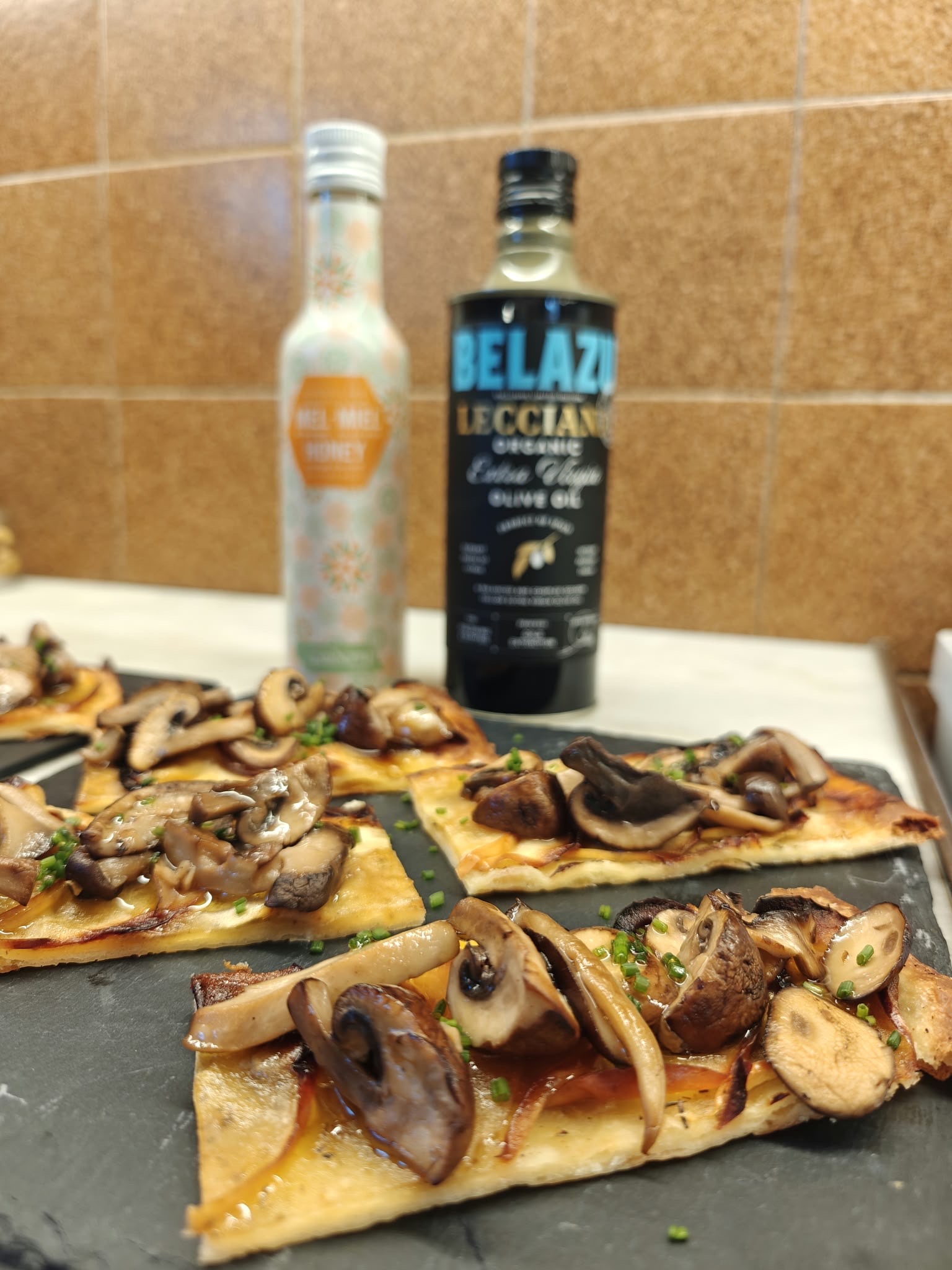
The fifth dish combines sweet and sour apple coca and pickled mushrooms with Orange Blossom Honey Sweet and Sour Vinegar. Its citrusy and slightly sweet profile helps balance the earthy notes of the mushrooms and enhance their aromas.
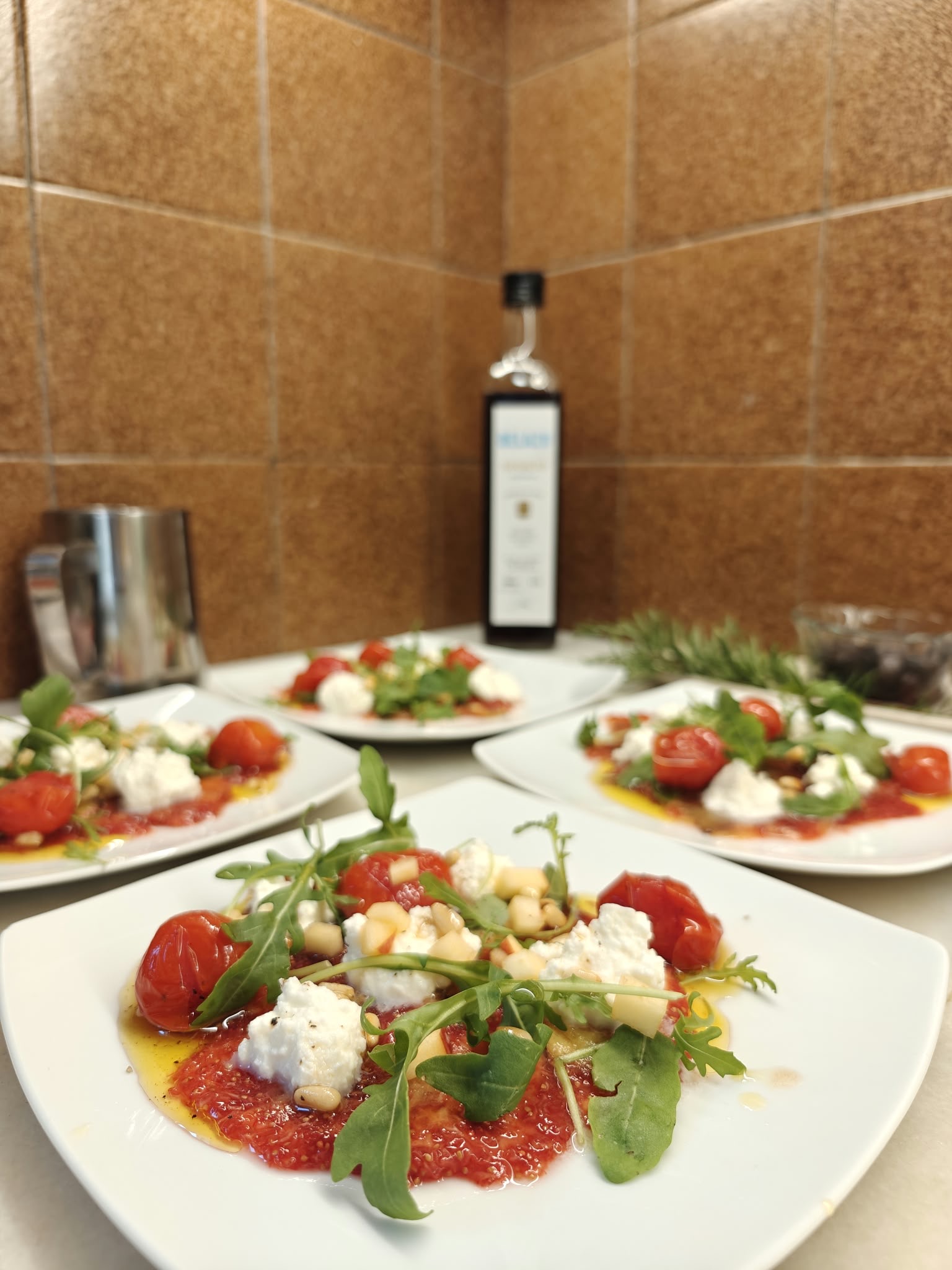
This is followed by a carpaccio of figs, cherry tomatoes and cheese with a Port Sweet and Sour Vinegar dressing. The ripe fruit notes complement the sweetness of the figs, while the acidity balances the cheese and tomatoes.
And to finish, a sweet dish of vinegar-marinated strawberries with vanilla ice cream and Muscat Balsamic Vinegar. Its floral and fruity notes intensify the flavour of the strawberries and create an interesting contrast with the creaminess of the ice cream.
An experience that celebrates our gastronomic culture
Beyond the menu itself, this experience allowed us to share a different way of discovering vinegar with our customers. Not only by exploring its aromas and nuances, but also by seeing how it interacts with other ingredients and how it can enrich recipes that form part of our culinary tradition.
It was also an opportunity to highlight the richness of Catalan and Mediterranean cuisine, a gastronomy that continues to offer many possibilities for experimentation and innovation without losing its roots.
We would especially like to thank Montse Freixa for her work in creating this menu, which successfully brought together culinary tradition and the distinctive characteristics of our vinegars.
At Badia Vinagres, we remain convinced that one of the best ways to discover the potential of a good vinegar is to bring it into the kitchen, taste it and experiment with its possibilities. Because sometimes, a small detail can bring a whole new dimension to a traditional dish.