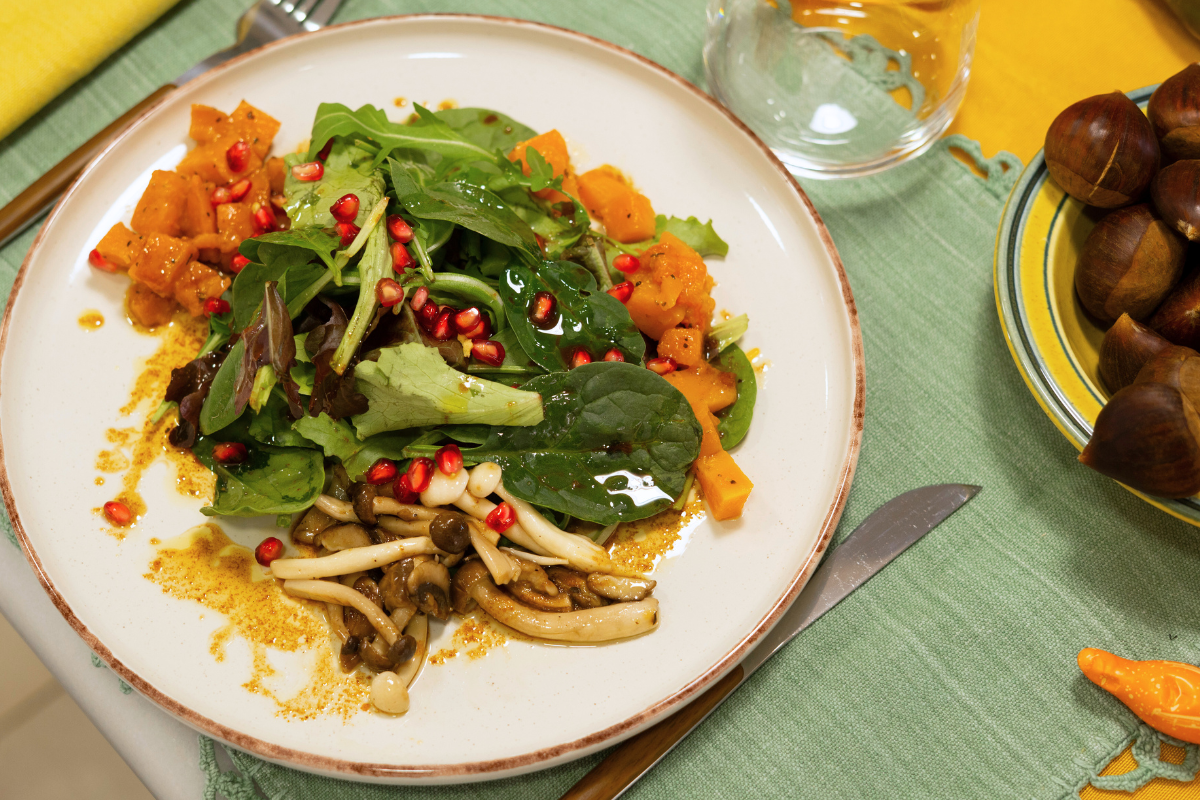
Warm autumn salad with Moscatell Gardeny vinaigrette

:: Ingredients ::

  • 225 g of mixed mushrooms (75 g portobello + 150 g shimeji)
  • 225 g of pumpkin
  • 225 g of sweet potato
  • 75 g of mixed green sprouts (lettuce, arugula, spinach)
  • 1 pomegranate, seeds removed
  • Extra virgin olive oil
  • Salt and black pepper to taste
  • Dried oregano

For the Moscatell vinaigrette:

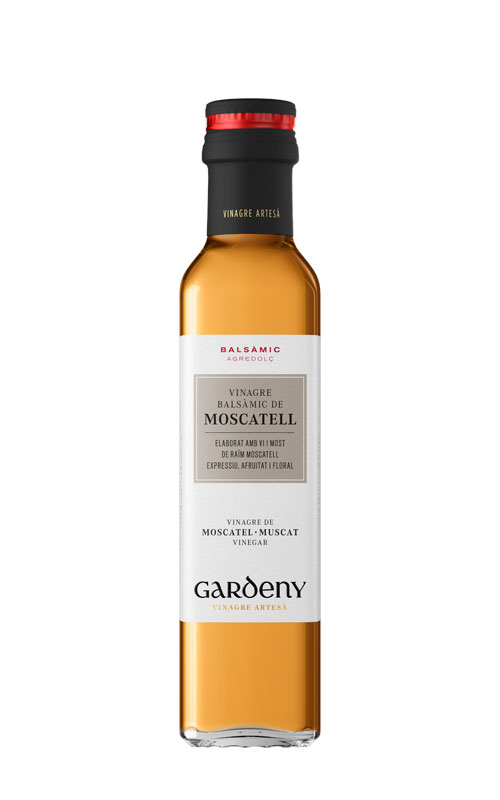
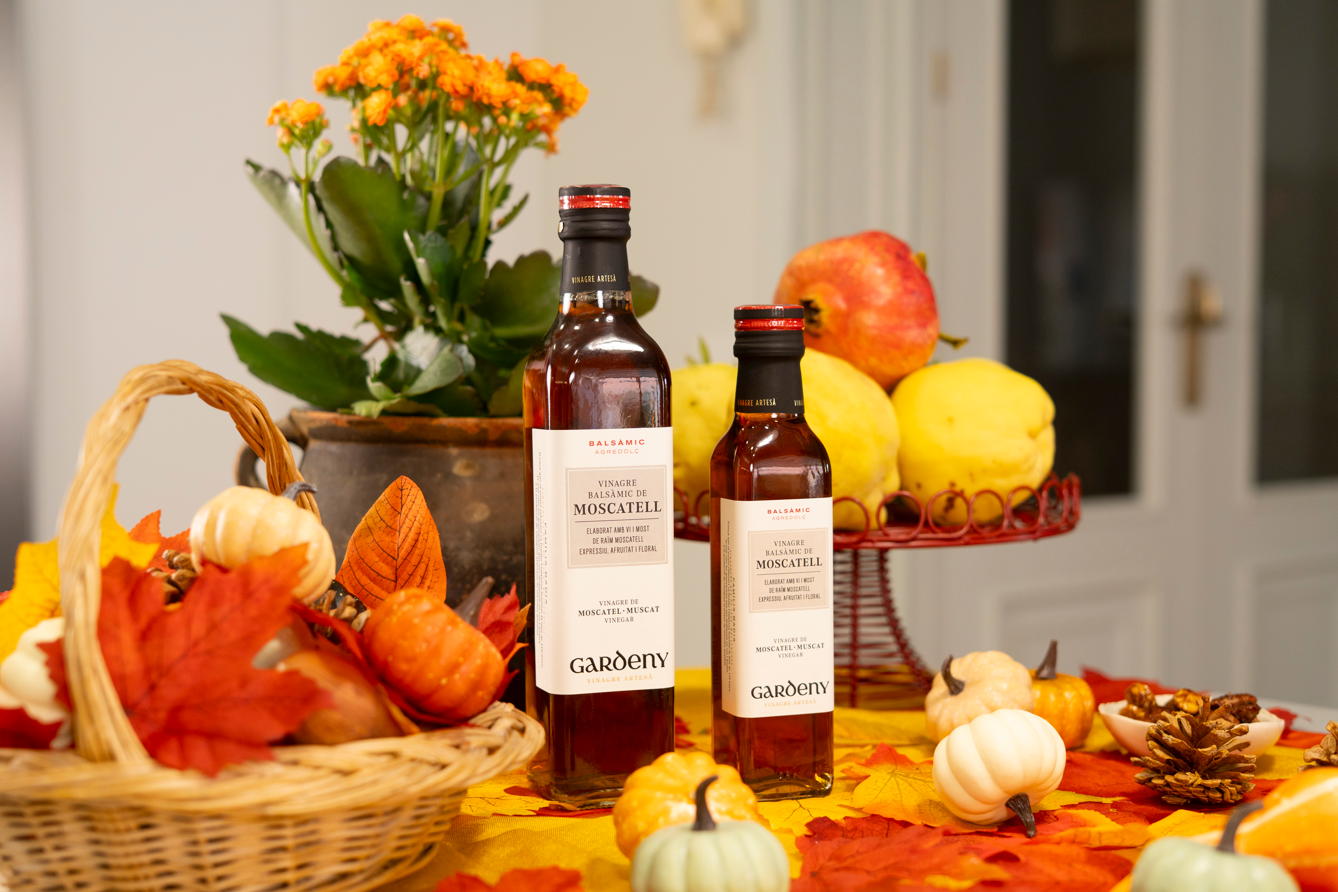
  • Moscatell Gardeny balsamic vinegar
  • Extra virgin olive oil
  • Pinch of salt
  • Pinch of black pepper

:: Preparation ::

  1. Clean and slice the mushrooms, then sauté them in a pan with a little extra virgin olive oil, salt, and pepper until golden. Set aside.
  2. Sauté the sweet potato cubes with olive oil, salt, pepper, and ½ teaspoon of oregano until tender but firm, and set aside.
  3. Do the same with the pumpkin, sautéing it with 2 teaspoons of oil, salt, pepper, and a little oregano until cooked but still holding its shape, and set aside.
  4. In the same pan, pour 6 tablespoons of Moscatell Gardeny balsamic vinegar and let it reduce over medium heat for 2–3 minutes until slightly thickened. Remove from heat and mix with 3 tablespoons of olive oil, salt, and pepper to make the vinaigrette.
  5. Plate a base of green sprouts, arrange the pumpkin, sweet potato, and mushrooms around, and sprinkle the pomegranate seeds on top.
  6. Dress the salad with the Moscatell vinaigrette and serve immediately.

Did you enjoy this recipe? Keep discovering how to use our vinegars and bittersweet products.

Badia VinagresWarm autumn salad with Moscatell Gardeny vinaigrette
Read more..

Catalan vinaigrette

:: Ingredients ::

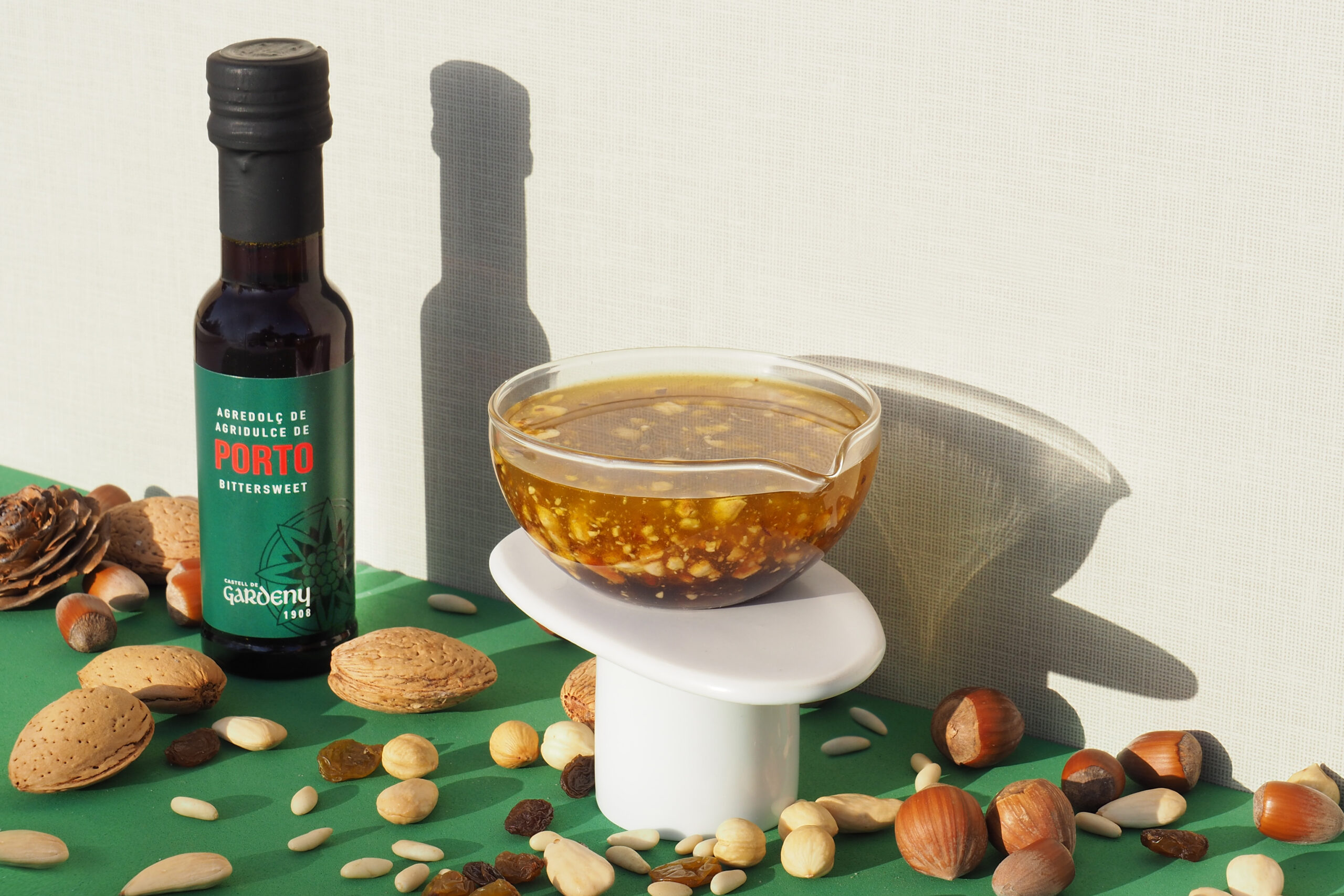
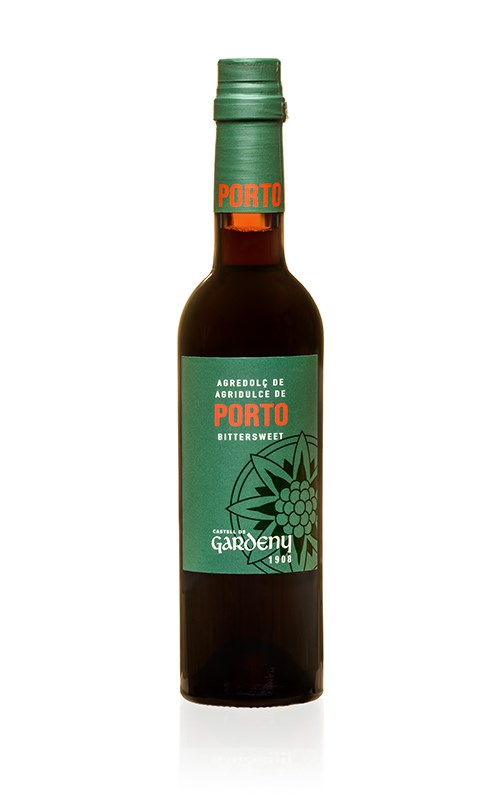
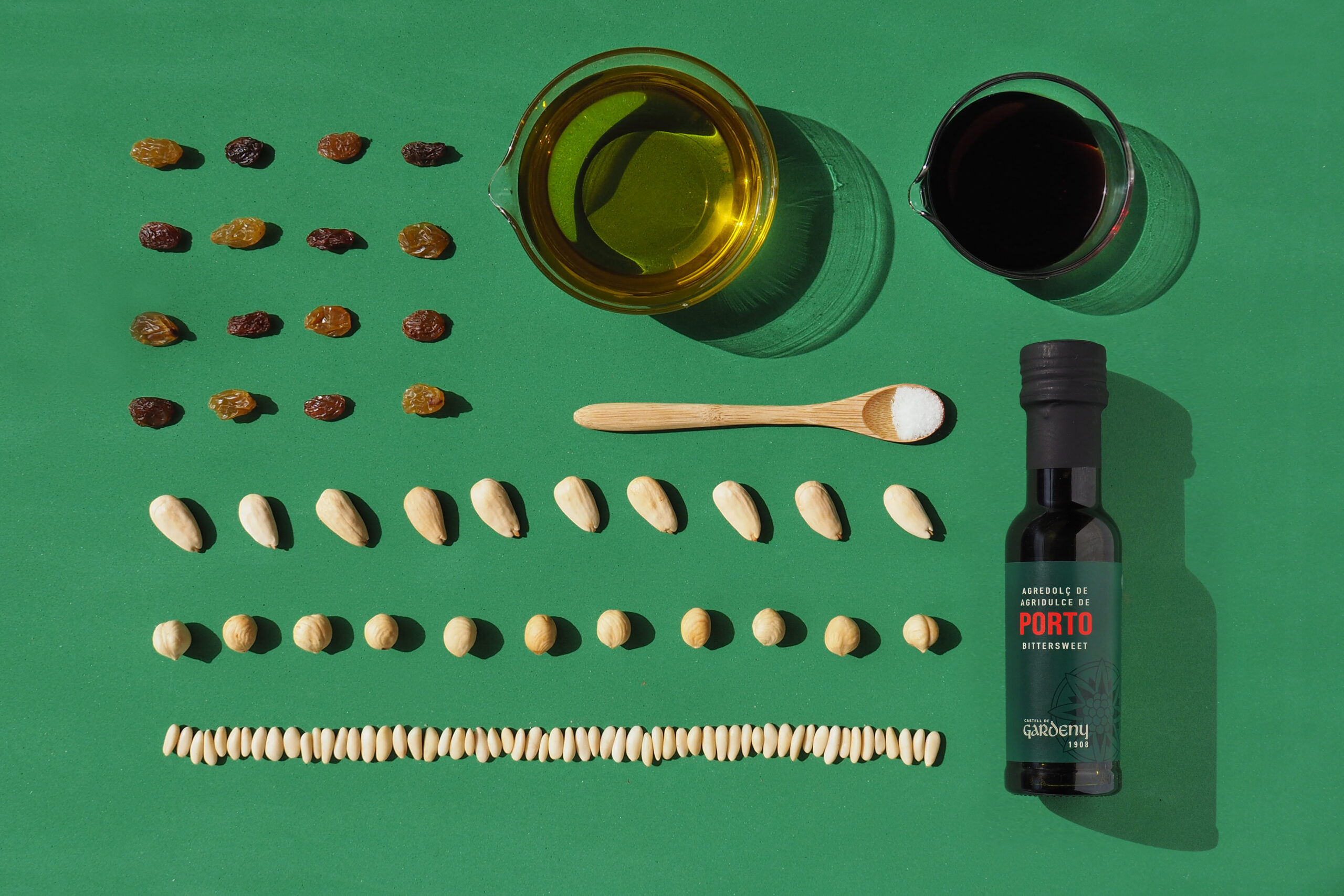
  • 50 ml Porto Gardeny bittersweet vinegar
  • 100 ml extra virgin olive oil
  • ½ teaspoon salt
  • 10 g toasted hazelnuts
  • 10 g toasted almonds
  • 10 g pine nuts
  • 10 g raisins

:: Preparació ::

  1. Soak the raisins in the Porto Gardeny bittersweet vinegar in a bowl.
  2. Crush the toasted hazelnuts and almonds using a mortar and pestle.
  3. Toast the pine nuts in a pan with a drizzle of extra virgin olive oil and ½ teaspoon of salt until golden brown.
  4. Add them to the soaked raisins along with the crushed nuts.
  5. Stir in the remaining extra virgin olive oil.
  6. Mix everything well and serve immediately, or store in an airtight container until ready to use.

The local nuts enrich the nutritional value of the dish, enhance the flavours and bring out the characteristic toasted aromas. This vinaigrette is balanced, rich and slightly sweet, pairing perfectly with both savoury and sweet dishes.

Try the vinaigrette with:
· Carrot cake
· Goat cheese salad with carquinyolis and quince jelly
· Zucchini and tomato carpaccio
· Red berry salad with vanilla ice cream

Did you like this recipe? Keep discovering how to use our vinegars and bittersweets dressings.

Badia VinagresCatalan vinaigrette
Read more..

Mediterranean vinaigrette

:: Ingredients ::

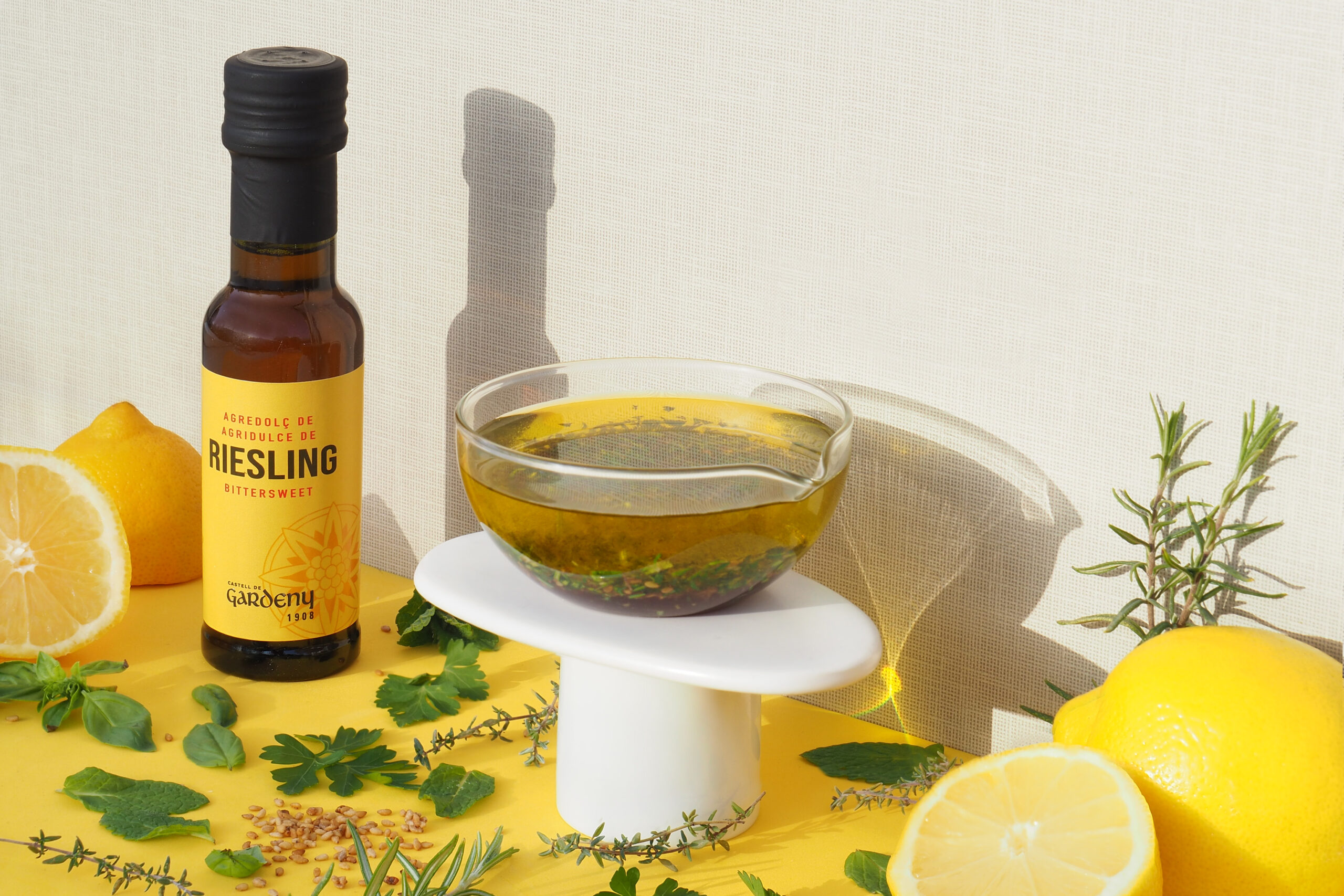
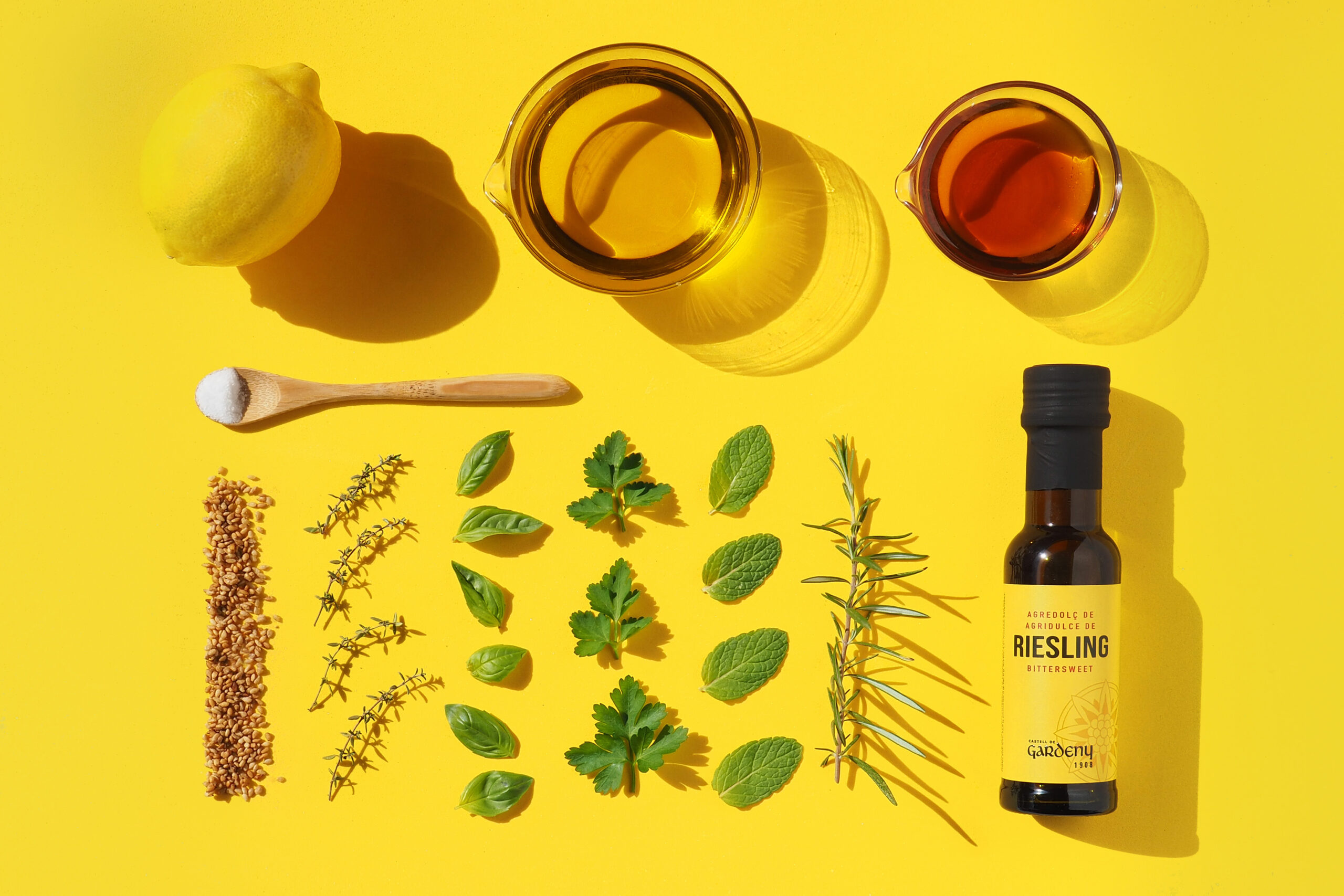
  • 50 ml Riesling Gardeny bittersweet vinegar
  • 100 ml extra virgin olive oil
  • ½ teaspoon salt
  • Grated lemon zest
  • 10 g toasted or caramelised sesame seeds
  • 10 g of a mix of fresh aromatic herbs:
    • mint leaves
    • basil leaves
    • rosemary leaves
    • thyme leaves
    • parsley leaves

:: Preparation ::

  1. Wash the aromatic herbs well and chop them very finely.
  2. In a bowl, mix the Riesling Gardeny bittersweet vinegar with the extra virgin olive oil.
  3. Add the chopped herbs, sesame seeds and salt.
  4. Grate a little lemon zest (to taste) and add it to the mixture.
  5. Mix everything well and serve immediately, or store in an airtight container until ready to use.

Did you like this recipe? Keep discovering how to use our vinegars and bittersweets dressings.

Badia VinagresMediterranean vinaigrette
Read more..

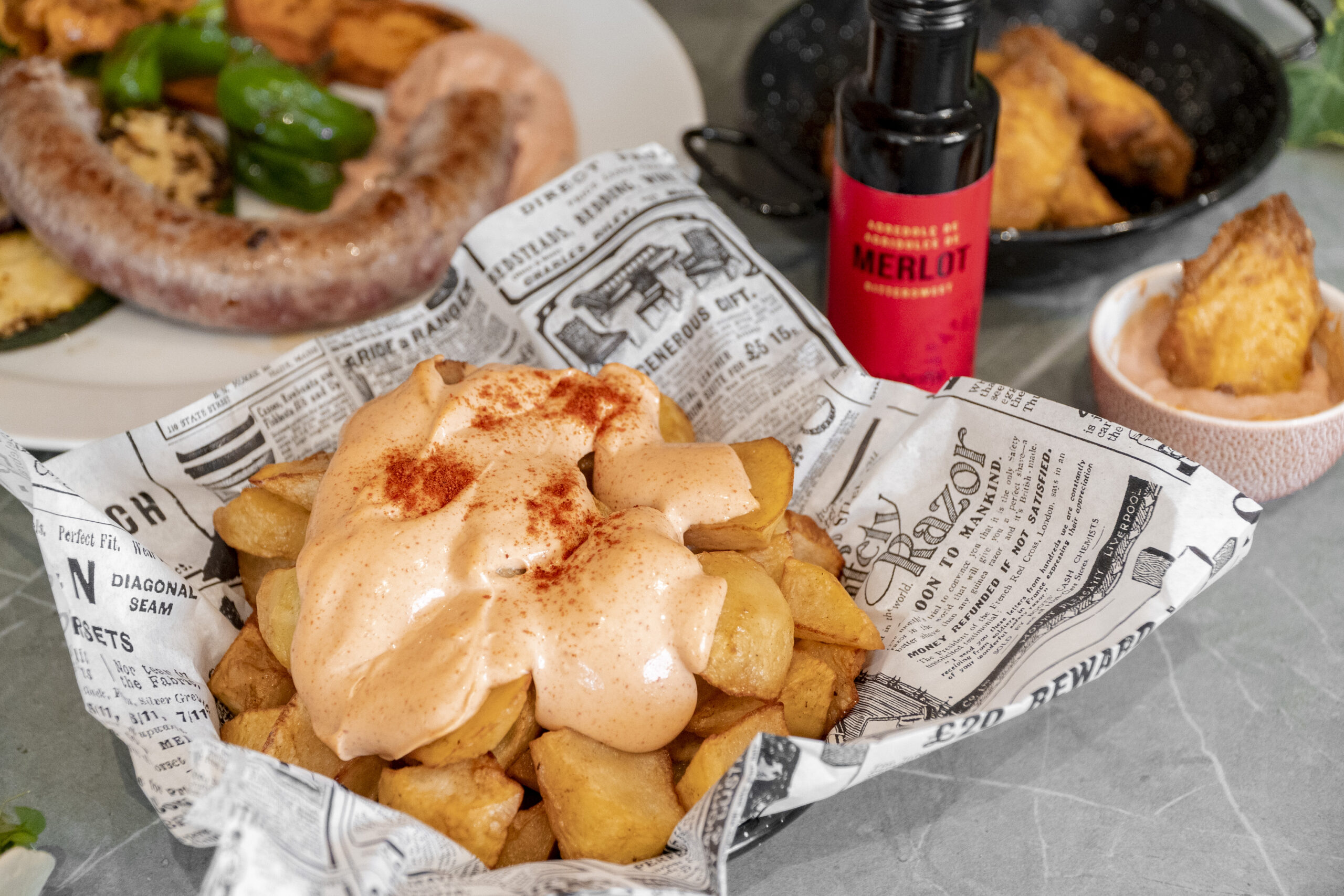
Brava vinaigrette

A bold and flavorful vinaigrette, perfect for adding a spicy touch to potatoes, grilled vegetables, or meats.

:: Ingredients ::

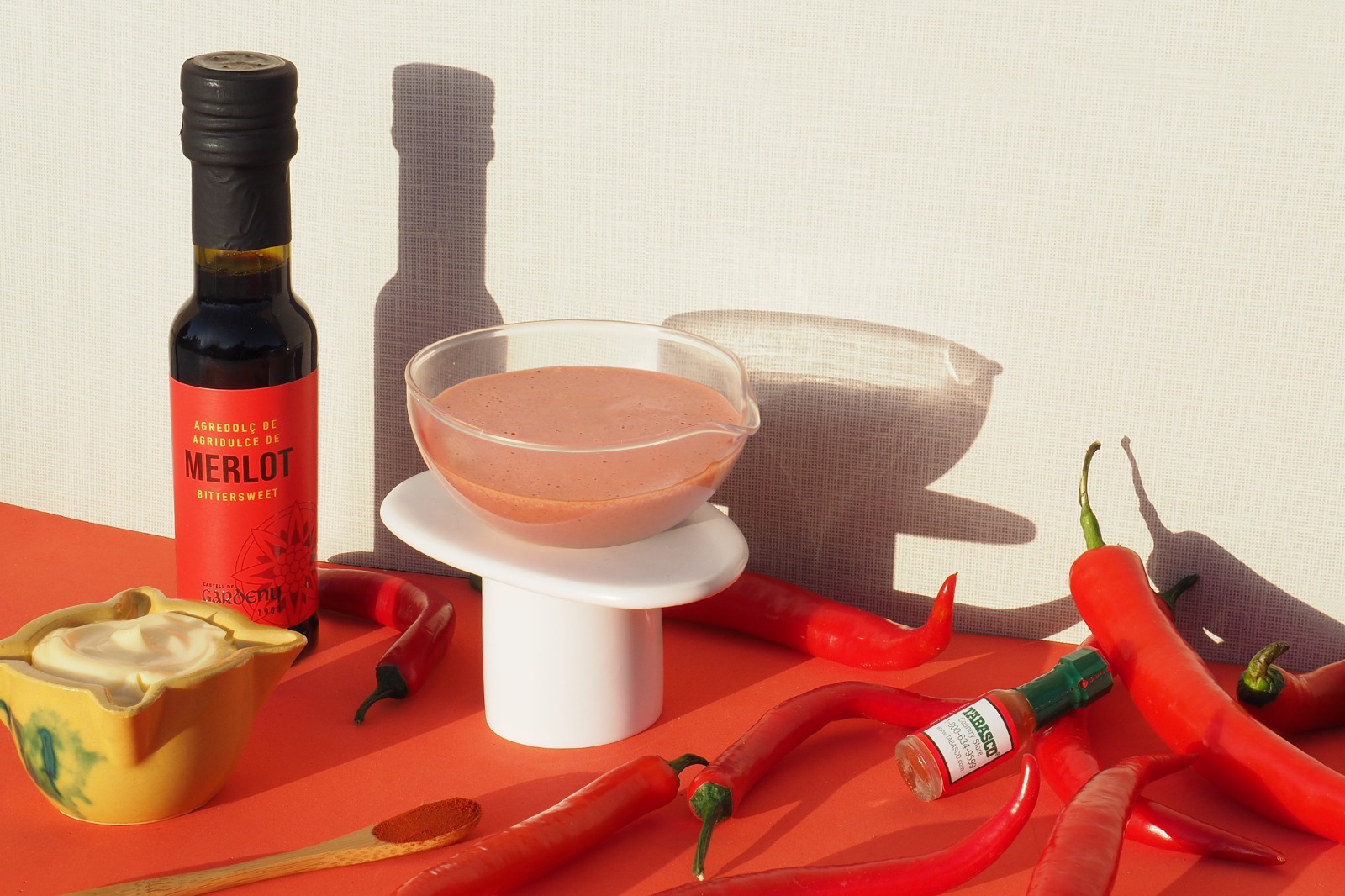
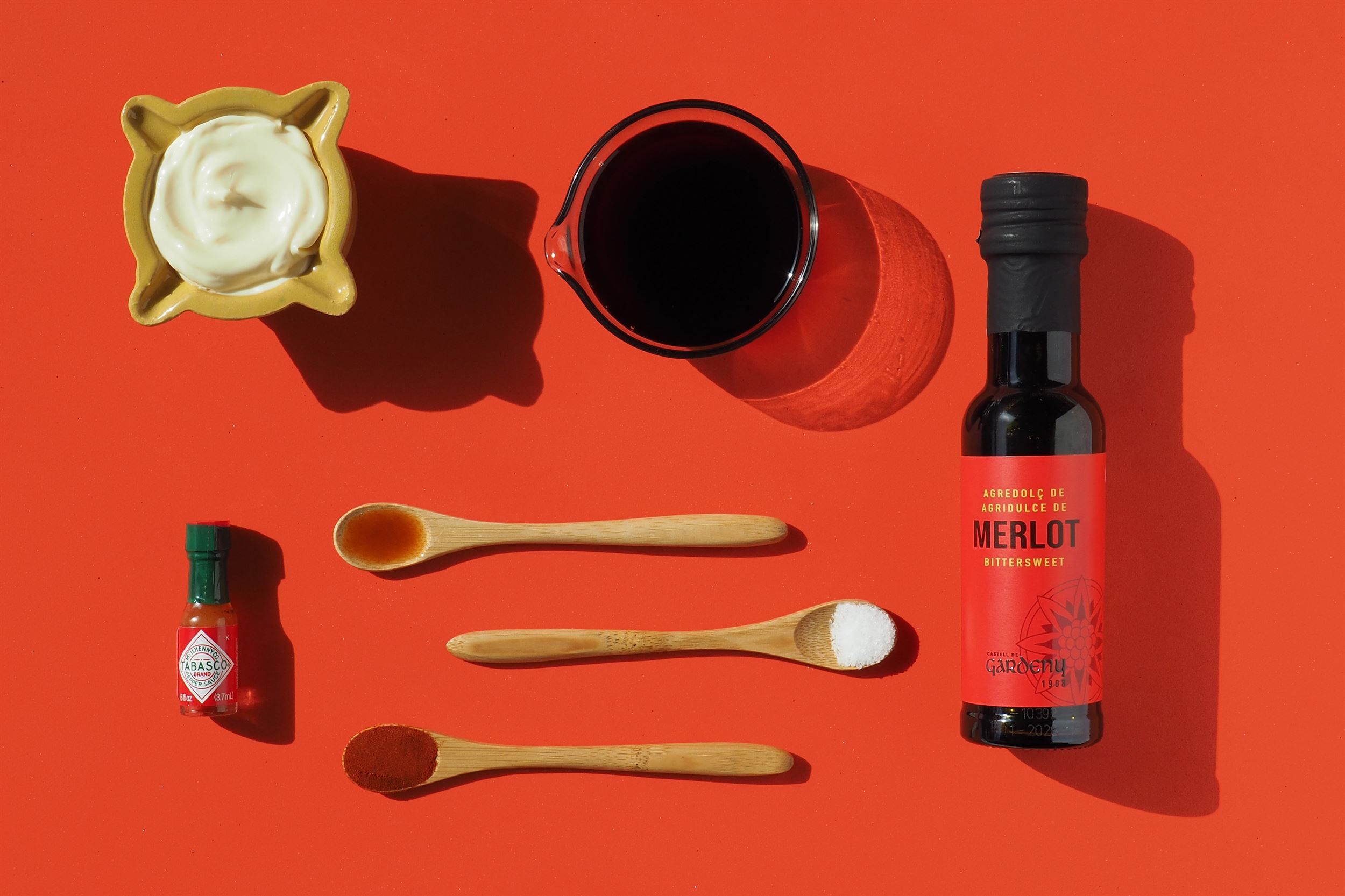
  • 50 ml Gardeny Merlot sweet and sour vinegar
  • 50 g mayonnaise or aioli
  • ½ teaspoon salt
  • 1 teaspoon Tabasco (or another hot sauce)
  • 1 teaspoon smoked paprika

:: Preparation ::

  1. In a small bowl, add the mayonnaise or aioli as the base.
  2. Slowly pour in the Merlot vinegar while whisking to combine.
  3. Add the salt, hot sauce, and smoked paprika.
  4. Mix everything with a fork or whisk until the sauce is smooth and creamy.
  5. Taste and adjust the heat or acidity to your preference.

Tip: Serve cold and consume within 24 hours to enjoy the best flavor and texture.

Did you enjoy this recipe? Keep discovering how to use our vinegars and sweet & sour condiments.

Badia VinagresBrava vinaigrette
Read more..

Fruity vinaigrette

:: Ingredients ::

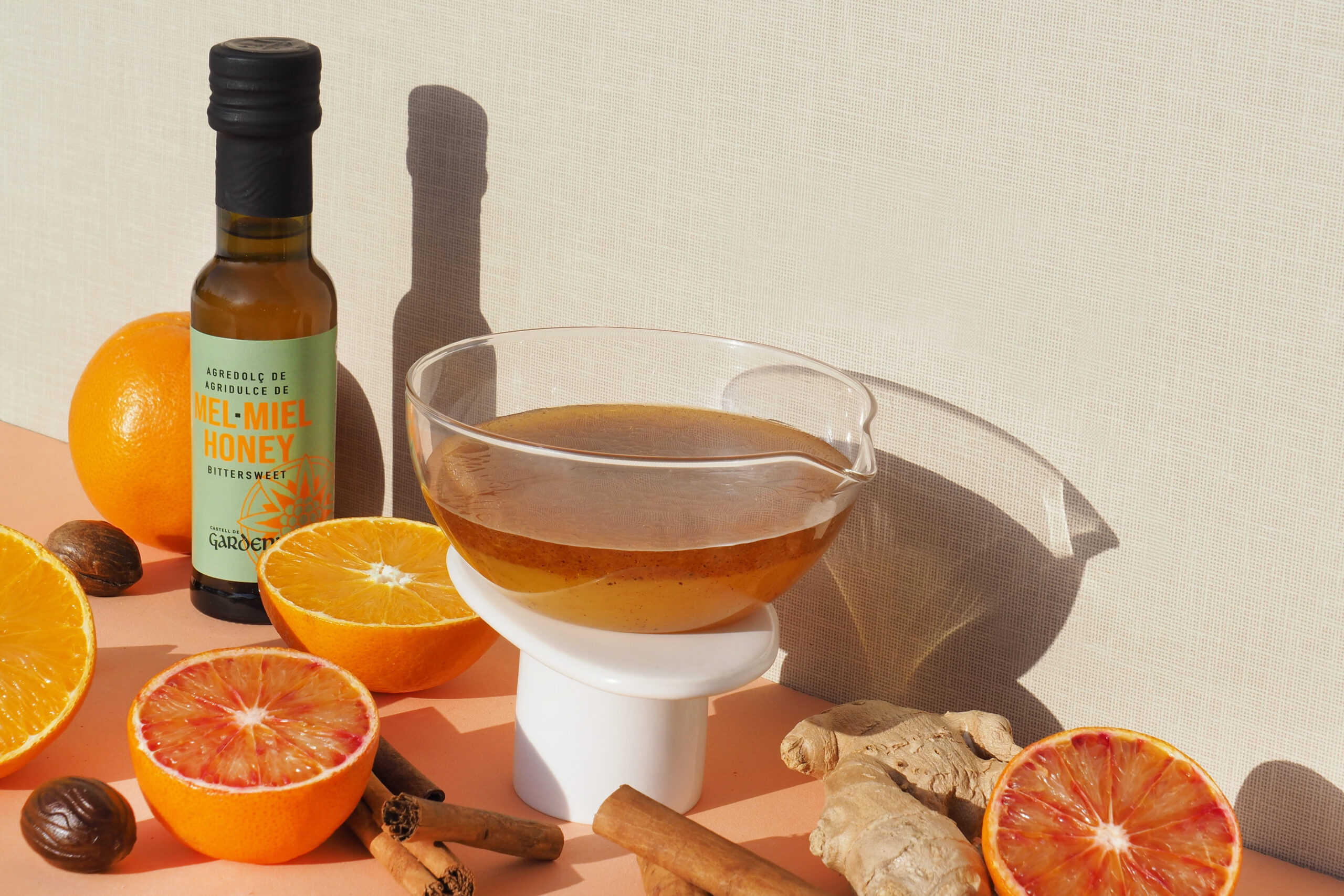
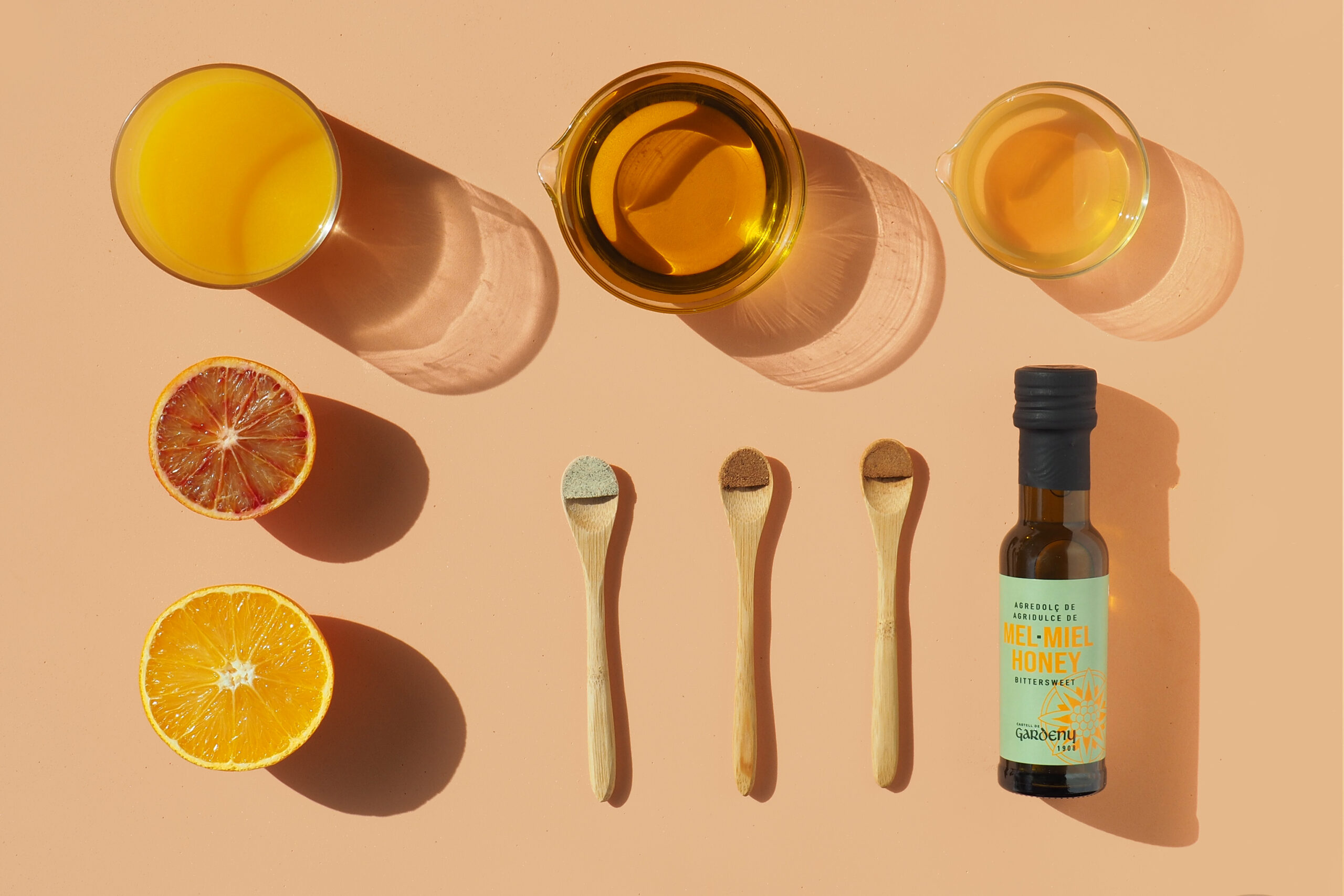
  • 50ml Gardeny’s Orange Honey Bittersweet Vinagar
  • 100 ml extra virgin olive oil
  • 100 ml seasonal fruit juice (such as: orange, mandarin, pear, apple, peach, strawberry, grape, melon…)
  • ½ teaspoon of cinnamon powder
  • ½ teaspoon of ginger powder
  • ½ teaspoon of nutmeg powder

:: Preparation ::

  1. Make fresh juice using the selected seasonal fruit (image: orange).
  2. Mix the juice together with the powdered spices (cinnamon, ginger, and nutmeg).
  3. Add Gardeny’s Orange Honey Bittersweet Vinegar and extra virgin olive oil.
  4. Stir everything together and serve immediately or store in a tightly sealed container.


This vinaigrette offers a touch of freshness and vitality thanks to the balanced combination of natural fruit, spices, and honey, providing a subtle contribution of vitamins from the seasonal fruit, digestive benefits from the spices, and the gentle, sweet note of honey.

Try this vinaigrette with:

  • Vegetables with chicken.
  • Fresh pasta with Parmesan cheese and a sauté of bell peppers, cherry tomatoes, and seasonal fruit cubes.
  • Oat cookies with fruit.
  • Salmon tartare.

Did you enjoy this recipe? Keep exploring how to use our vinegars and sweet-and-sour products.

Badia VinagresFruity vinaigrette
Read more..

Vinegar: the invisible essence of many sauces

Some ingredients go unnoticed, yet without them, nothing would taste quite the same. Vinegar is one of them. Discreet and essential, it’s the invisible foundation that brings balance, depth and character to countless recipes. In our kitchens, it’s almost always present — in salads, marinades, pickles, escabeches… and of course, in sauces. And its presence is no accident.

Common everyday sauces like ketchup, mayonnaise or salsa brava all share one thing in common: vinegar. This ingredient not only provides that characteristic tang, but also helps preserve, balance and deepen flavour, and contributes to a smoother texture.

Vinegar acts as a natural flavour enhancer, supports emulsification and improves food preservation, especially in homemade recipes. In fact, the most widely consumed sauces in Spain traditionally contain vinegar:

  • Salsa brava: often includes vinegar to intensify the heat and add acidity.
  • Ketchup: vinegar is essential to balance the sweetness of tomato and sugar.
  • Mayonnaise: the acid helps emulsify the egg and oil and stabilises the mixture.
  • Mustard: many versions include vinegar to enhance flavour and improve texture.

Other sauces, such as romesco (traditionally served with calçots in Catalonia), mojo picón from the Canary Islands, or cocktail sauce (widely used with seafood), also rely on vinegar.

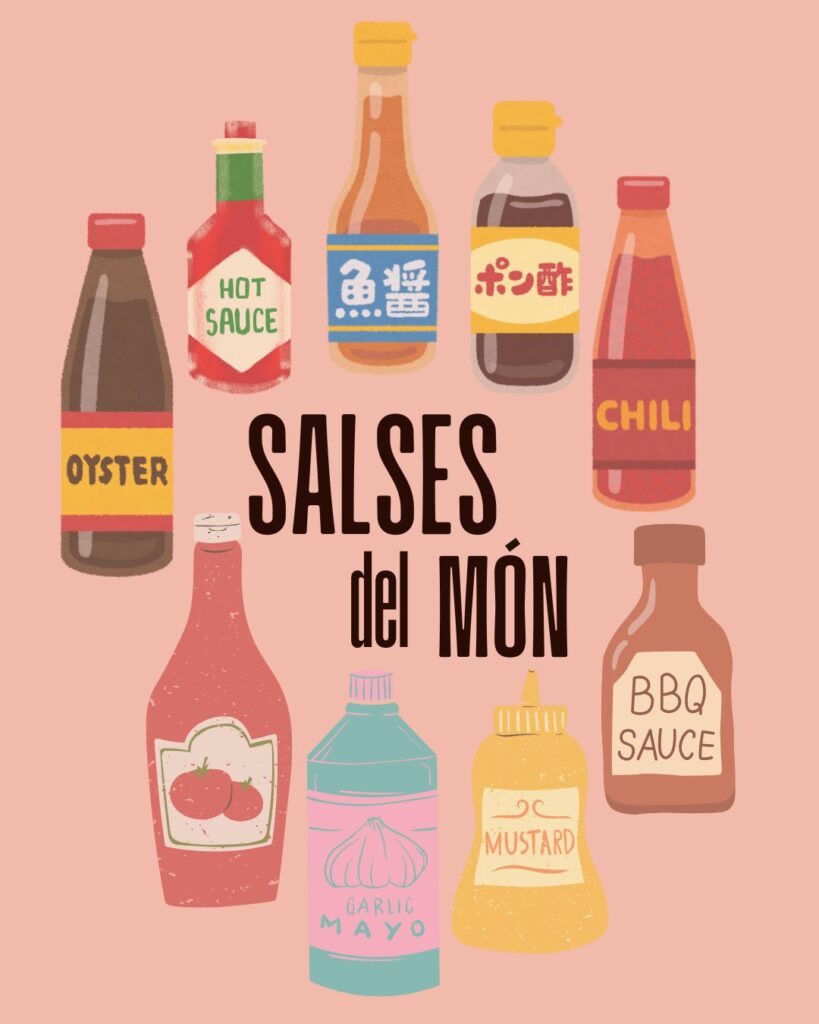
Sauces of the World

This ability to bring coherence and harmony is universal. Wherever there’s a cuisine with identity, there’s vinegar. In China, it’s at the heart of sweet and sour sauce; in Japan, it elevates the flavour of ponzu; in Argentina, it energises chimichurri; and in the Philippines, vinegar is not just added — it’s the base of iconic dishes like adobo, both preserving and flavouring.In Eastern Europe, vinegar appears in tangy or spicy sauces that accompany smoked meats, as well as in traditional pickles and mustards. In France, vinaigrettes are a whole universe of their own, often made with wine, cider or champagne vinegar. In the UK, vinegar is a non-negotiable for fish & chips. And in India, it’s essential in spicy marinades and curries like vindaloo, reflecting the legacy of Portuguese cuisine.

Why do these sauces contain vinegar?

Vinegar plays several essential roles in sauces — each equally important:

It balances flavours
Its natural acidity cuts through fats, brings freshness and softens sweetness or intensity from ingredients like mustard, tomato or eggs. This ability to round out flavours is key for well-balanced sauces.

It preserves

Vinegar is a natural preservative. Long before refrigerators, our grandparents used vinegar for pickling and to extend shelf life. Even today, its role in preserving food — especially in artisanal or homemade sauces — remains vital.

It affects texture and colour

In some sauces, such as sweet-and-sour blends or emulsified types, the kind of vinegar used can subtly influence both texture and appearance. Choosing the right vinegar is as much a technical decision as it is a creative one.

Play, combine and create

Vinegar isn’t just an ingredient — it’s a gastronomic tool. It allows you to modulate intensity, add contrast or softness, and create dynamic flavour profiles between sweetness, saltiness and bitterness. The type of vinegar you choose can completely change the outcome of a dish.

For example, aged balsamic brings depth and woody notes, apple vinegar offers lightness and freshness, cava vinegar adds elegance and subtlety, and sweet-and-sour vinegars open up a world of surprising and layered flavours.

At Badia Vinagres, we’ve spent generations exploring this world of balance and aroma. We believe a good vinegar can transform a sauce — and, with it, an entire dish. Our natural vinegars, crafted with care, time and respect for the ingredient, are made so that chefs and food lovers alike can create sauces with their own unique personality.A Riesling sweet-and-sour vinaigrette can elevate a white fish. A Merlot sweet-and-sour salsa brava can pair beautifully with your favourite tacos. Roasted vegetables shine with apple and ginger vinegar, and a cheese sauce made with Port sweet-and-sour vinegar and wholegrain mustard combines intensity and elegance. Every vinegar is an opportunity to play, combine and create.

Because behind many sauces, there’s a story. And often, that story begins with vinegar.

Badia VinagresVinegar: the invisible essence of many sauces
Read more..

A Promising Harvest for Our Vinegars

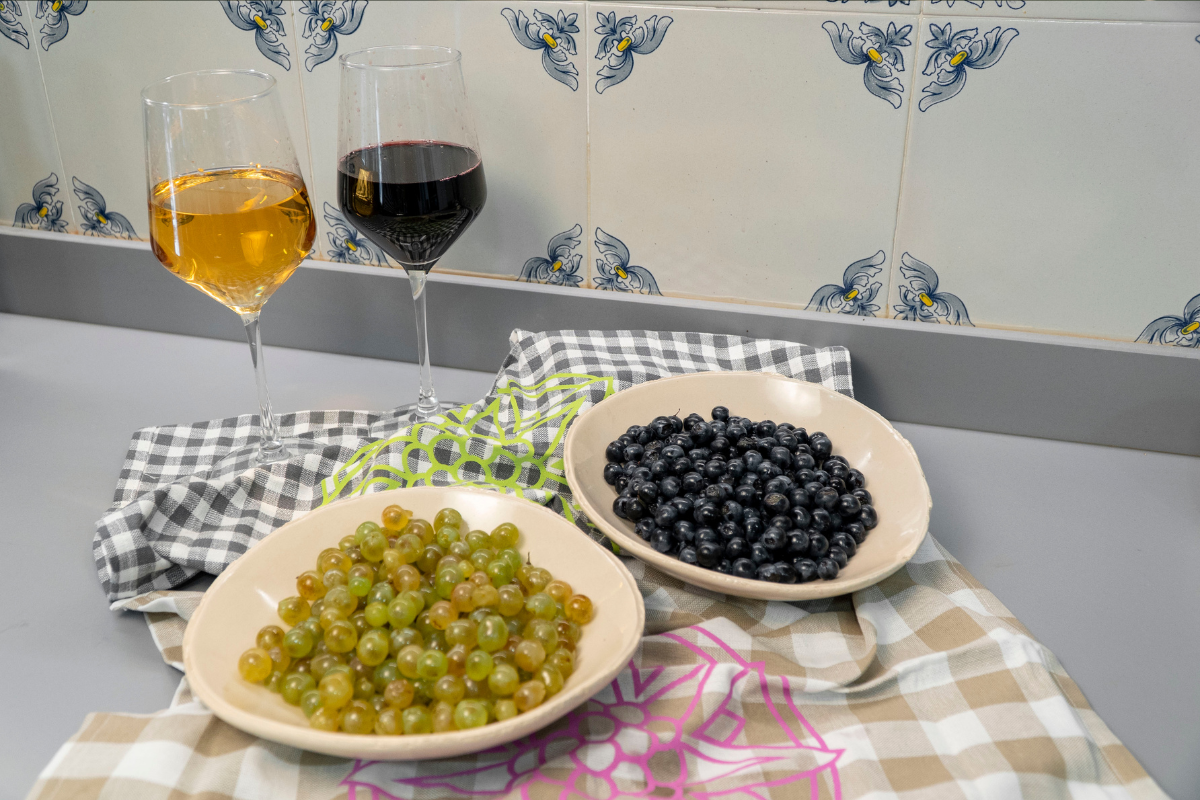
September is harvest time, a key moment that defines the quality of the raw material for everything we do: the grape. Because without good grapes there is no good wine. And without good wine there is no good vinegar.

After several difficult years marked by extreme drought, the 2025 campaign arrives with good news for the wine sector. According to data from INCAVI and the Catalan Association of Oenologists, in Catalonia and much of Spain growers have been able to harvest grapes in much better sanitary condition and with superior quality. This improvement in conditions is key to producing wines and therefore vinegars with personality, structure, and clean aromas.

Favorable climate conditions and higher yield

Autumn and spring rains and a moderate summer have favored the recovery of the vineyard. The production areas we usually work with at Badia Vinagres—such as the wineries in Penedès for white varieties and those in Tarragona and Lleida for red varieties—have approached this harvest with much more optimistic expectations.

Although there were some episodes of diseases such as mildew and hailstorms in certain areas, the first estimates point to a 10% increase in production compared to last year. But beyond quantity, what we truly celebrate is quality. This year the land gives us grapes with a good balance between acidity and alcohol content, an essential condition for obtaining top-level vinegars.

Quality grapes for excellent vinegars

At Badia Vinagres we work with carefully selected grapes and wines, made from local varieties that respect the environment. The quality of the grape not only affects the organoleptic profile of the vinegar but also its yield, stability, and, of course, its cost. That is why we closely monitor each campaign.

This 2025 harvest gives us the opportunity to continue innovating, to continue betting on natural vinegars with character, made with raw materials that meet our most demanding standards.

A future full of challenges and also of hope

Despite this respite, the wine sector continues to face major challenges such as climate uncertainty, the rising cost of grapes, and the urgent need to practice more sustainable viticulture. Cooperation between growers, wineries, and producers like us will be essential to ensure the continuity and excellence of a product that has been part of our culture since ancient times.

At Badia Vinagres we remain true to our commitment: to transform the best raw material into unique vinegars.

Badia VinagresA Promising Harvest for Our Vinegars
Read more..

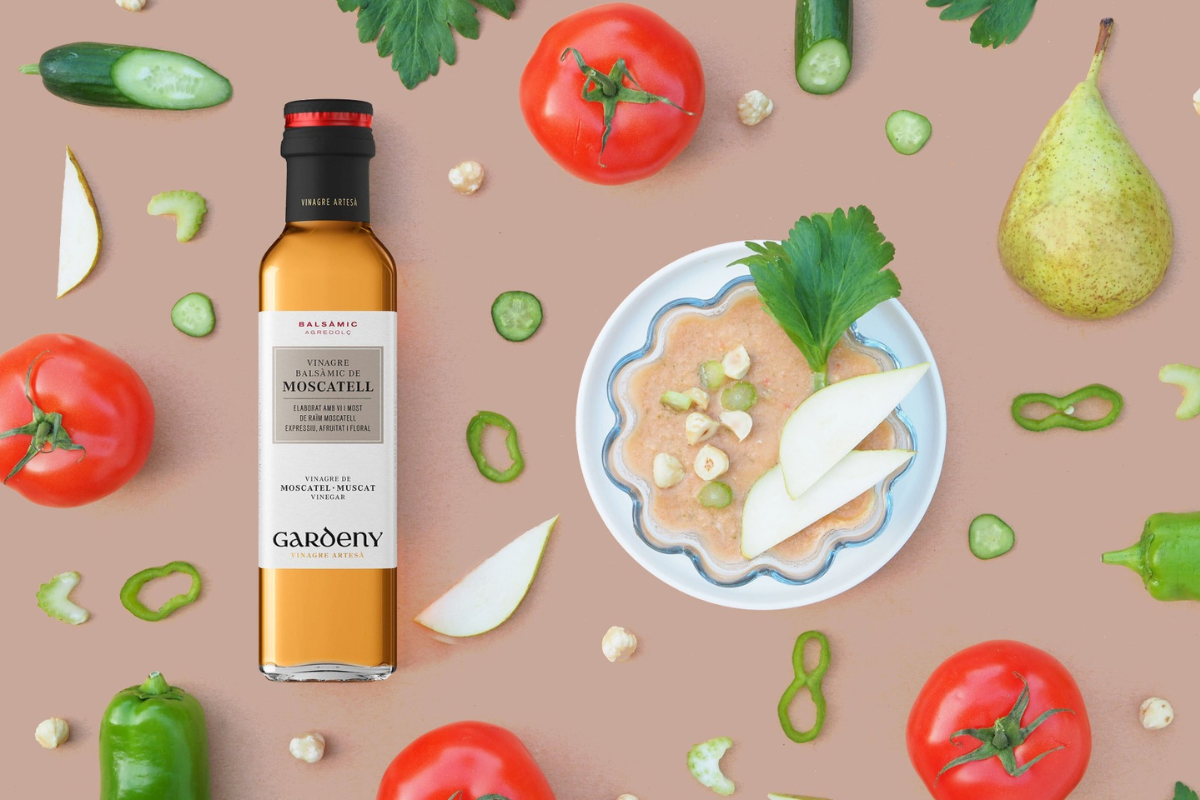
Pear Gazpacho with Muscatel Vinegar

:: Ingredients ::

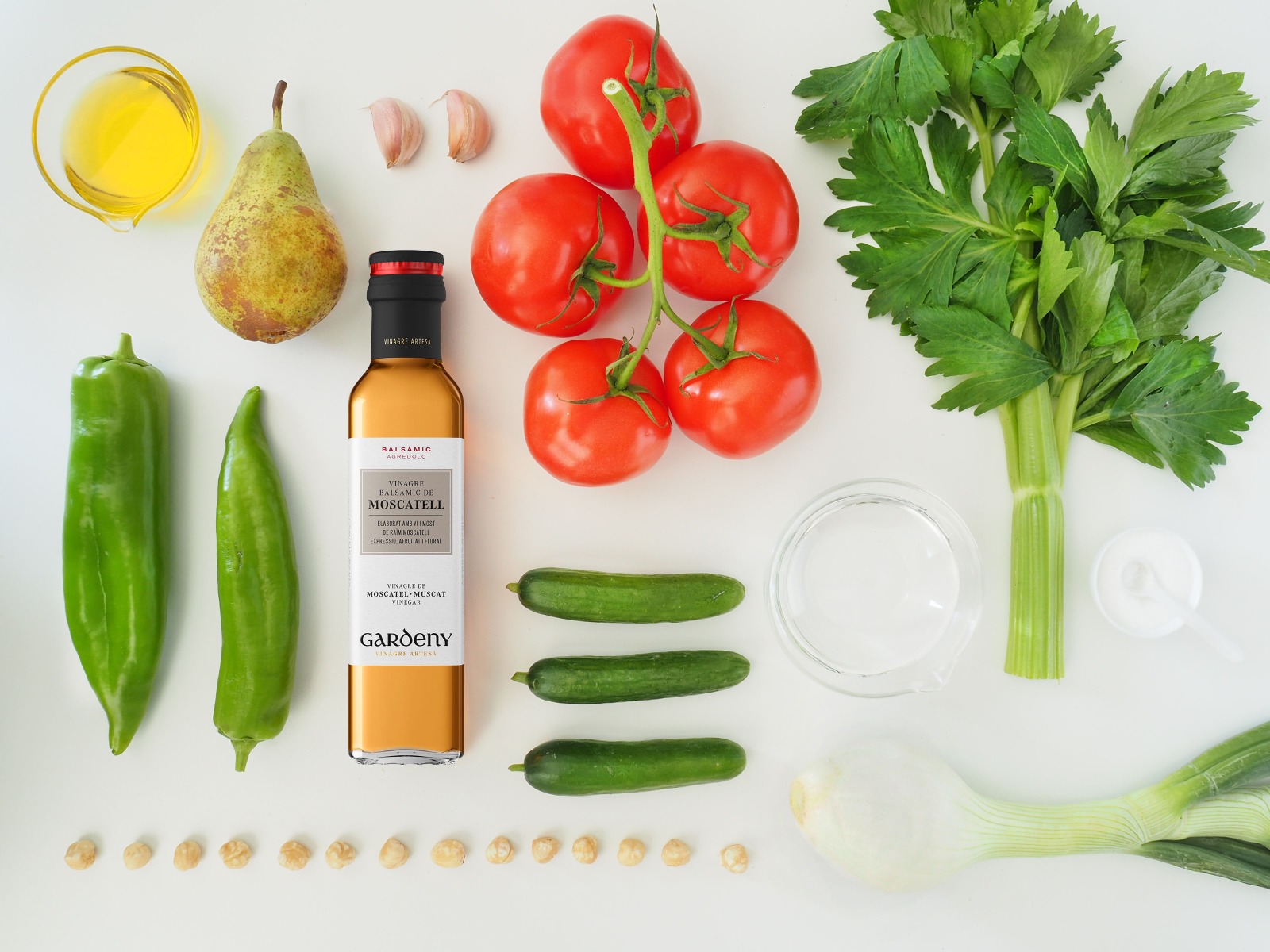
  • 1 kg ripe tomatoes
  • 60 g green pepper
  • 80 g cucumber
  • 50 g sweet onion
  • 600 g ripe pear
  • 100 g celery
  • 100 g hazelnuts
  • 70 ml Gardeny muscatel vinegar
  • 150 ml water
  • 70 ml virgin olive oil
  • 1 or 2 garlic cloves (optional)
  • Salt
  • Hazelnuts for garnish

:: Preparation ::

  1. Wash and dice the tomatoes, celery and green pepper. Then clean, peel and chop the pear, cucumber and onion, and set everything aside.
  2. Peel the garlic and place all the chopped ingredients in a blender with the Gardeny muscatel vinegar, water, hazelnuts, salt, and olive oil. Blend everything until smooth. If desired, strain it.
  3. Chill the gazpacho in the fridge until serving time.
  4. Serve well chilled with a celery leaf, pear slices, and hazelnuts. You may drizzle with muscatel vinegar and olive oil to taste.

Did you enjoy this recipe? Keep discovering how to use our vinegars and sweet & sour condiments.

Badia VinagresPear Gazpacho with Muscatel Vinegar
Read more..

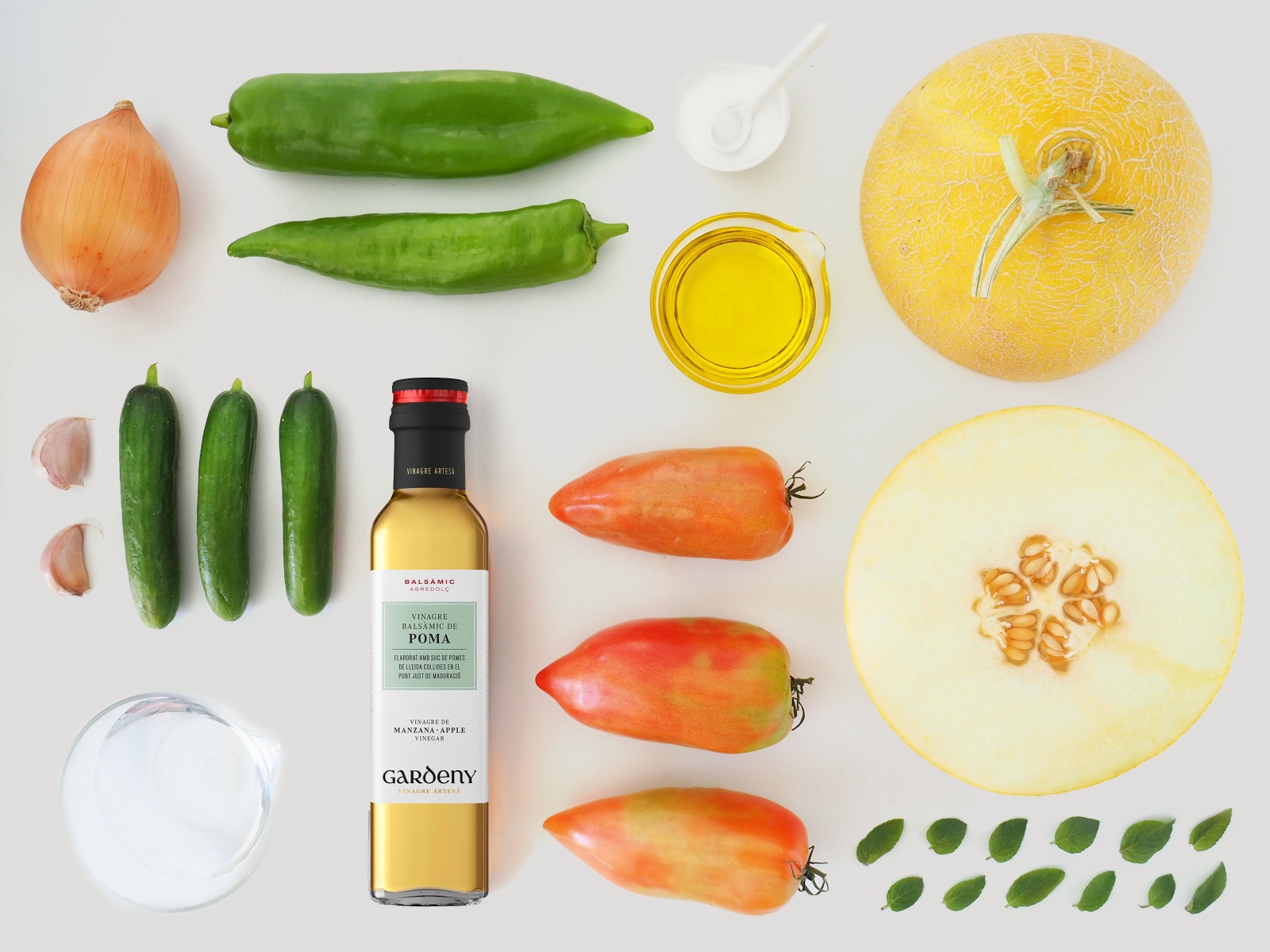
Melon Gazpacho with Apple Vinegar

:: Ingredients ::

  • 800 g ripe tomatoes
  • 60 g green peppeR
  • 120 g cucumber
  • 50 g onion
  • 800 g melon
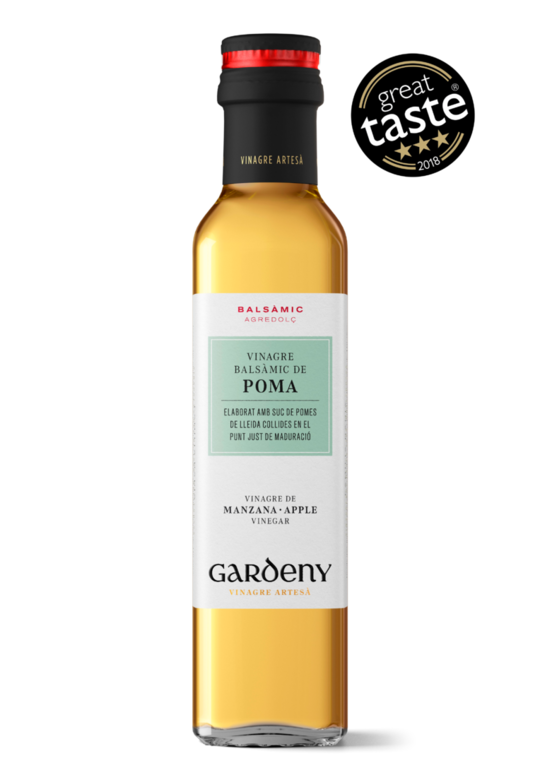
  • 60 ml Gardeny apple vinegar
  • 100 ml water
  • 70 ml virgin olive oil
  • Fresh mint leaves
  • 1 or 2 garlic cloves (optional)
  • Salt

:: Preparation ::

  1. Wash and dice the tomatoes and green pepper. Then clean, peel, and cut the melon, cucumber, and onion, and set everything aside.
  2. Peel the garlic and place all the chopped ingredients in a blender with the apple vinegar, water, mint leaves, and olive oil. Blend everything. Add salt to taste, mix well, and chill in the fridge until ready to serve. You can strain it if desired.
  3. Serve with diced melon, cucumber slices, and fresh mint leaves. Add a drizzle of apple vinegar and olive oil to taste.

Did you enjoy this recipe? Keep discovering how to use our vinegars and sweet & sour condiments.

Badia VinagresMelon Gazpacho with Apple Vinegar
Read more..

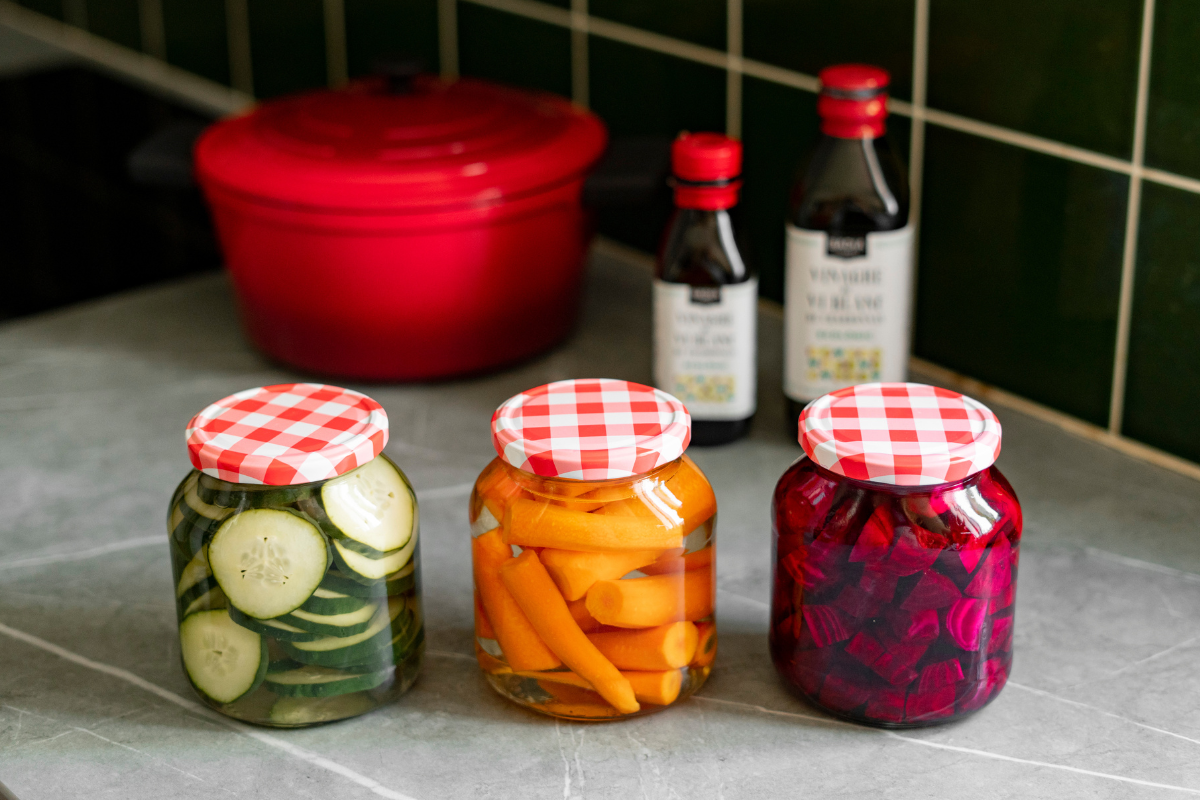
Preserve Summer with Homemade Pickles

Summer is a season of abundance: gardens come alive, colors explode, and nature offers its most generous harvests. It’s the perfect time to pick, but also to preserve—to capture a bit of summer to enjoy when the cold returns. And there’s no better way to do it than with homemade pickles.

This ancestral technique connects us with traditional cooking, with the wisdom of our grandmothers, with sustainability, and with the commitment to avoid waste. Preserving with vinegar is one of the simplest and healthiest ways to keep food. It allows us to make the most of our garden’s surplus and always have a tasty, nutritious, and versatile ingredient ready for salads, sandwiches, appetizers, or cheese boards.

Pickling Recipe

Here’s a very easy and quick recipe to make your own homemade pickles:

Ingredients:

  • 3 cups of water
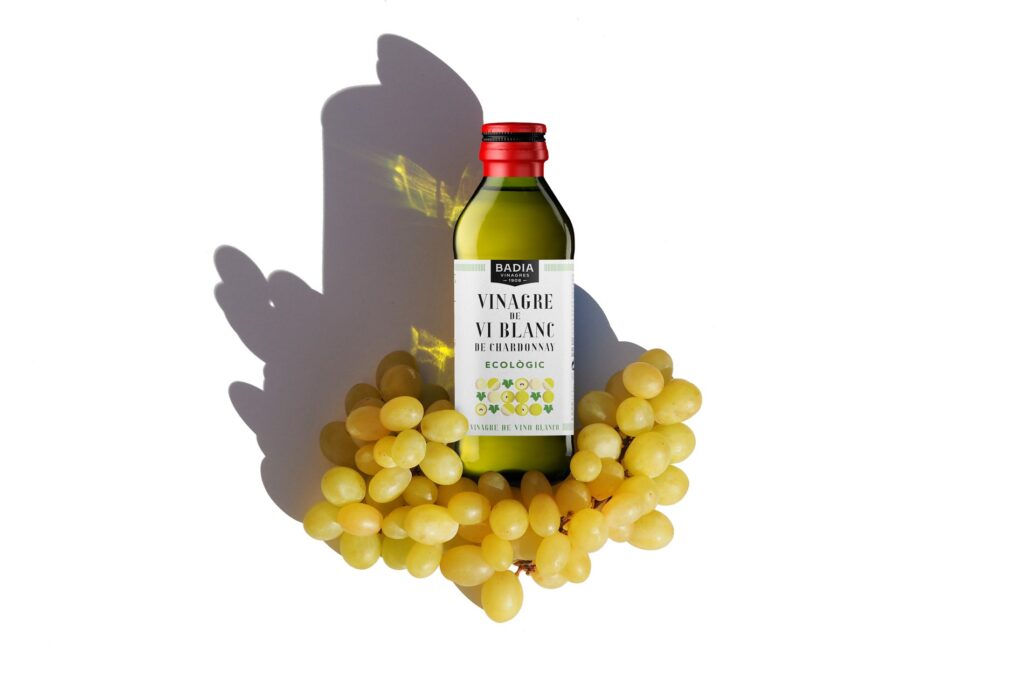
  • 1 cup of Badia organic white wine vinegar
  • 2 tablespoons of salt
  • 1 tablespoon of sugar

Instructions:

  1. Combine all the ingredients in a pot and bring to a boil.
  2. Once it starts boiling, turn off the heat.
  3. Fill clean glass jars with the vegetables of your choice (cucumber, onion, beetroot, carrot, bell pepper… anything works!).
  4. Pour the hot mixture over the vegetables until fully covered and seal immediately.
  5. Let the jars cool at room temperature.

In just a few days, you’ll have delicious homemade pickles, full of flavor and nuance.

The perfect touch: Badia Organic White Wine Vinegar

For this recipe, we use our Badia organic white wine vinegar, one of the most iconic varieties of our traditional range. Its clean and smooth profile preserves the original color and flavor of the vegetables and provides the ideal level of acidity to preserve without overpowering.

Preserving summer has never been so easy… or so flavorful.
Will you give it a try?

Badia VinagresPreserve Summer with Homemade Pickles
Read more..