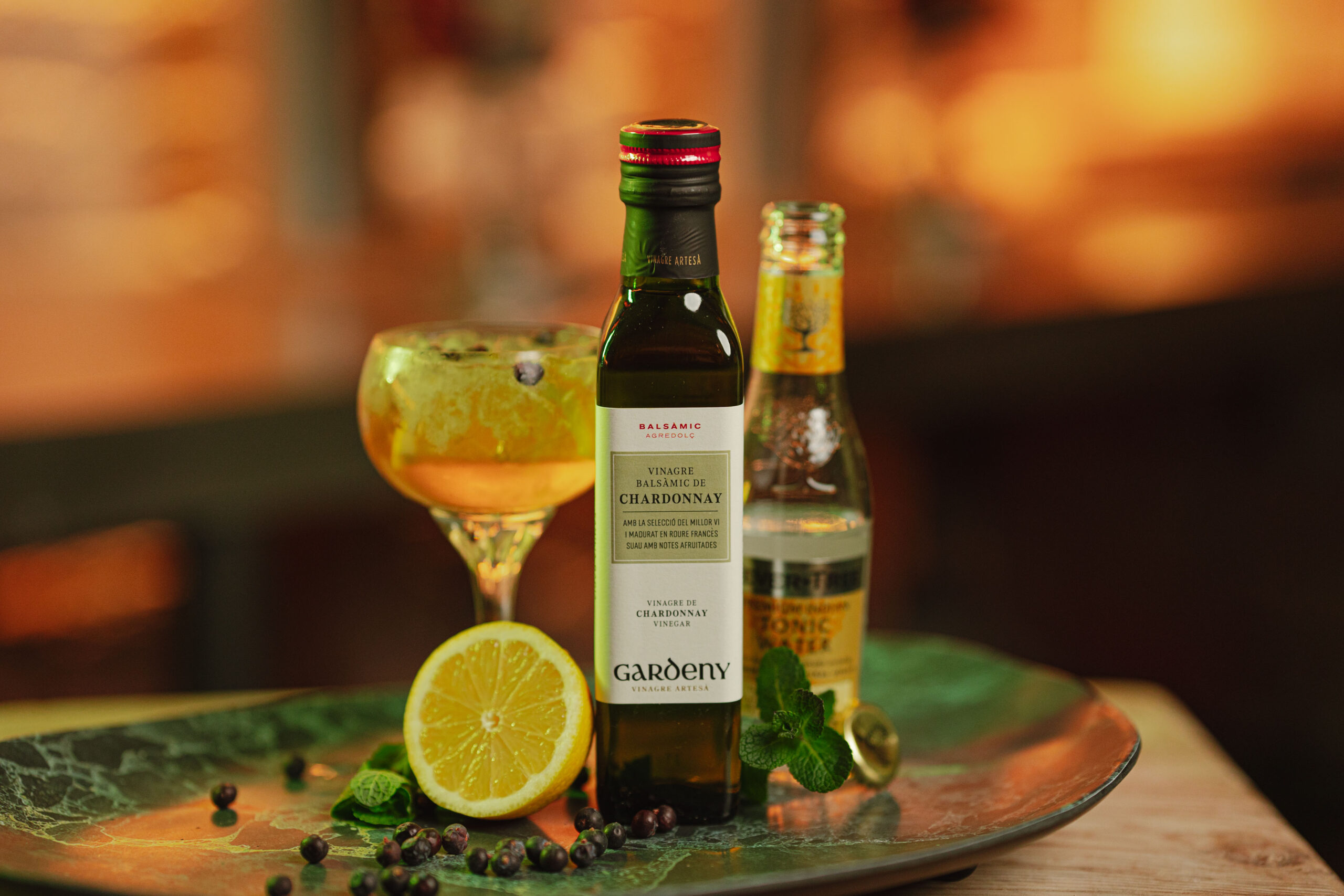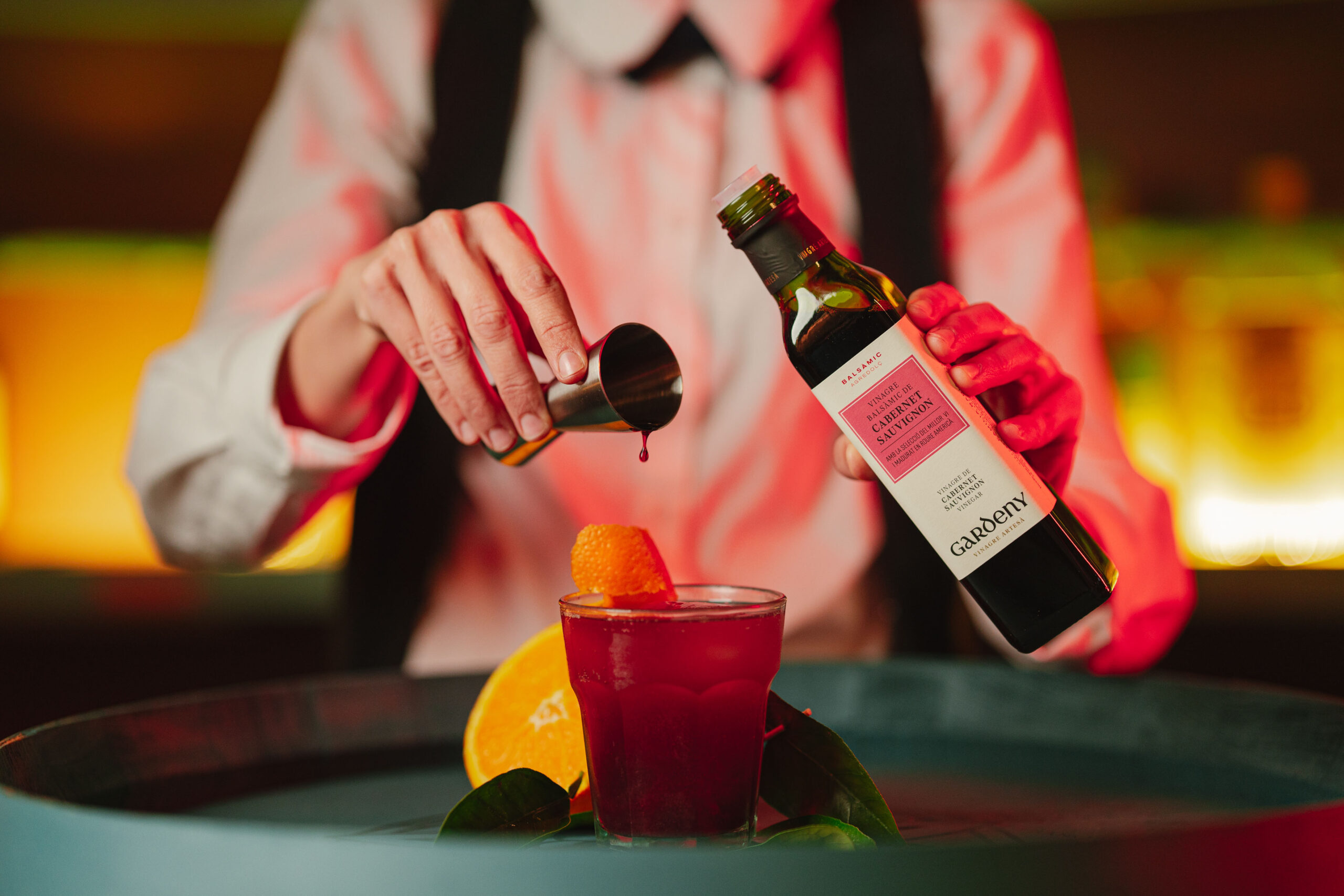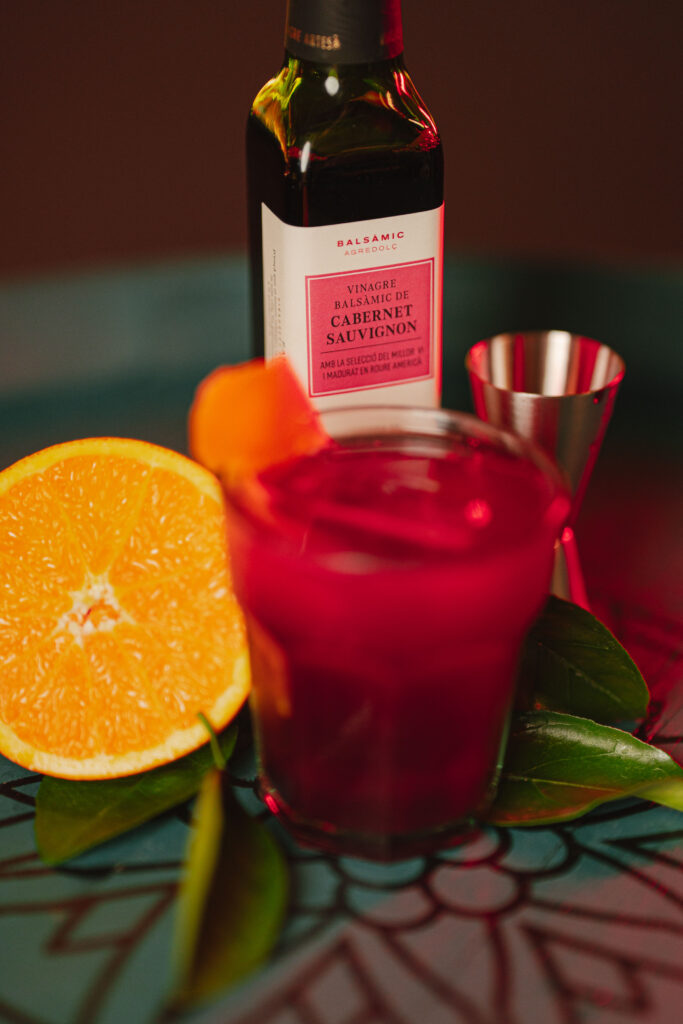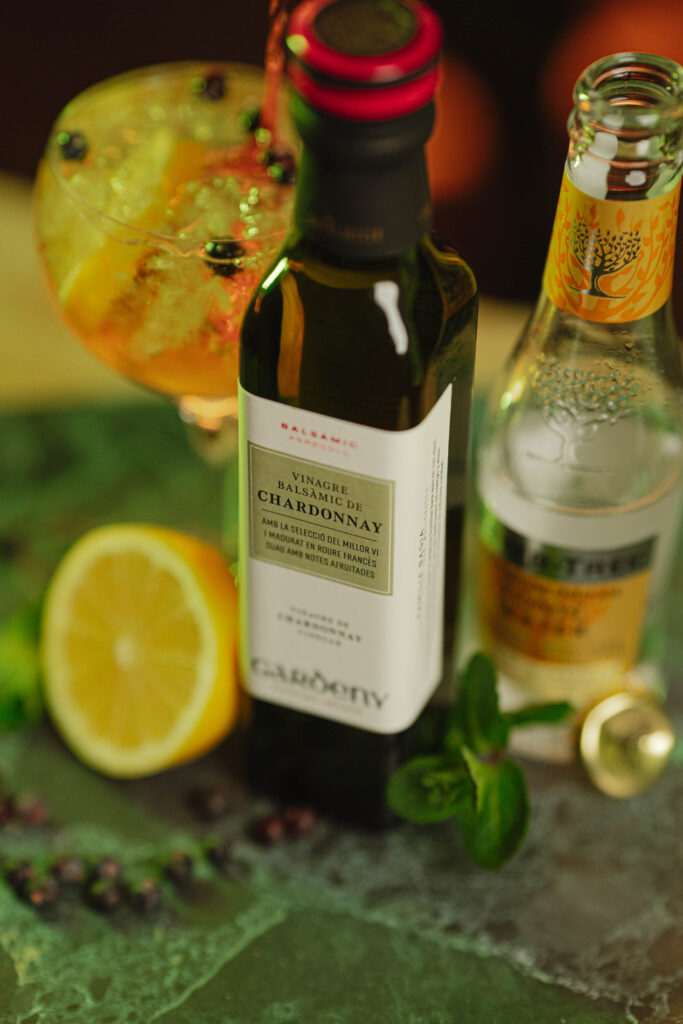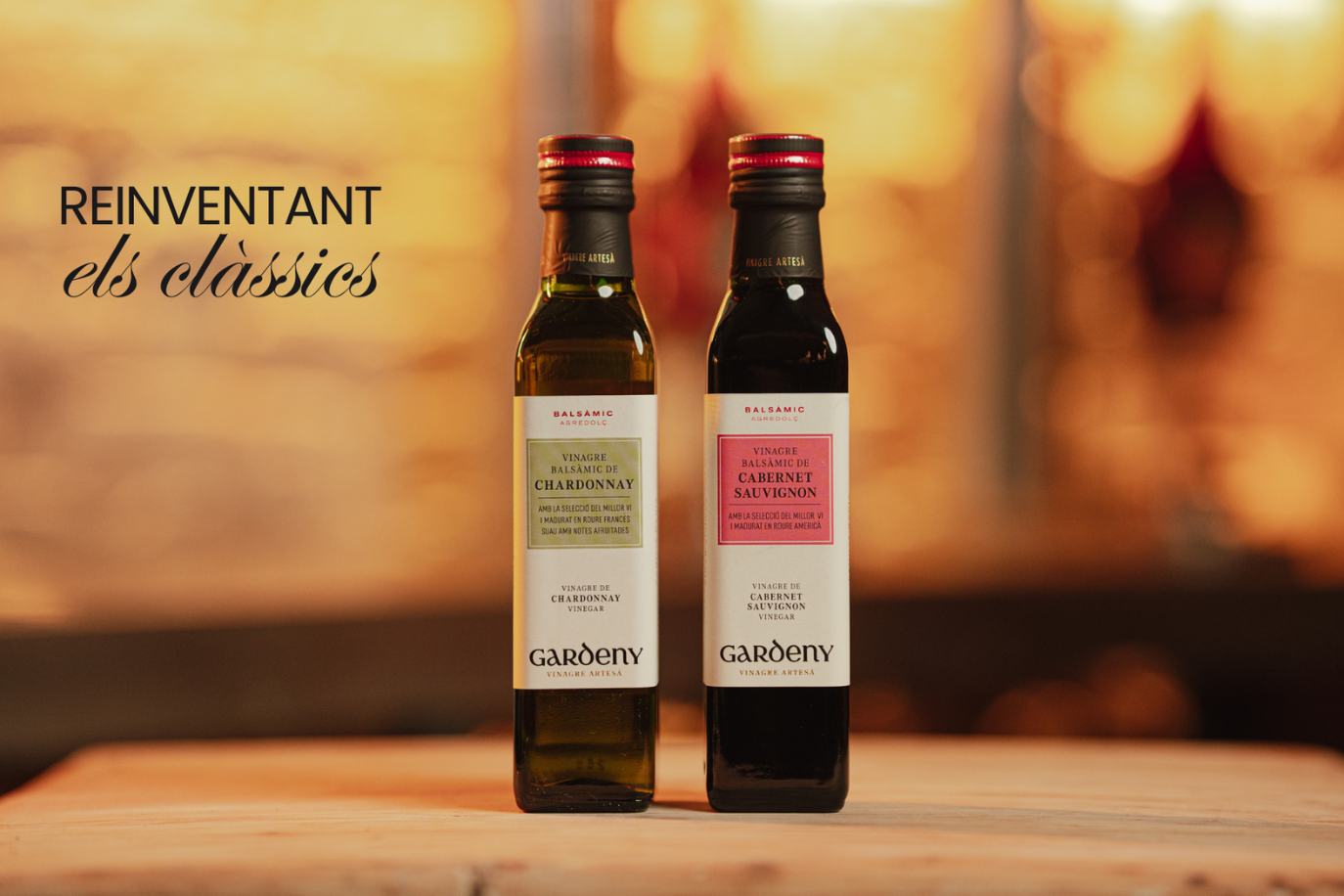
Reinventing the classics with a contemporary twist: the new generation of Chardonnay and Cabernet Sauvignon vinegars

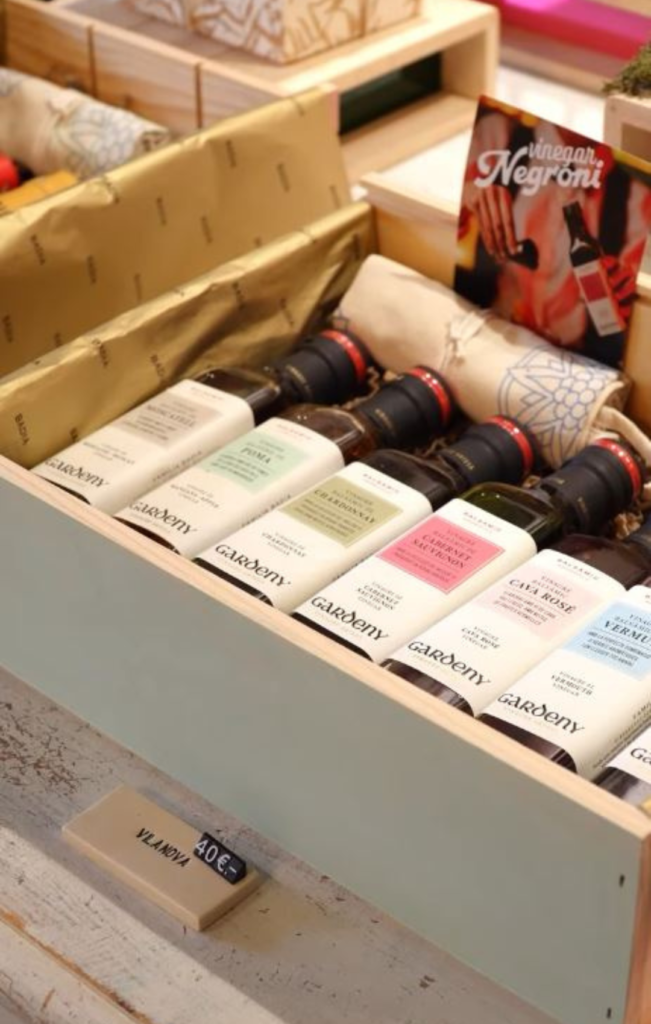
We dedicate this new blog entry to tell you about one of the great new stars of 2024. Today we present the new generation of vinegars made with Chardonnay white wine and Cabernet Sauvignon red wine. This reinvention of the most classic vinegars of the Gardeny range means offering flavours with a more modern touch and in tune with contemporary gastronomic trends.

Badia Vinagres broke new ground by introducing a range of gastronomic vinegars to the market with the aim of valuing vinegar as an essential element in the kitchen. Now, thirty years later, the two most iconic vinegars of the Gardeny range have been reinvented to adapt to current trends, but without losing the essence that made them so special. This new generation is the culmination of years of experience and know-how, offering food lovers artisanal vinegars of unrivalled quality.

Grab your kitchen notebooks because below we will talk about each vinegar and give you some recommendations that can help you take your gastronomic preparations to another level.

Cabernet Sauvignon Balsamic Vinegar

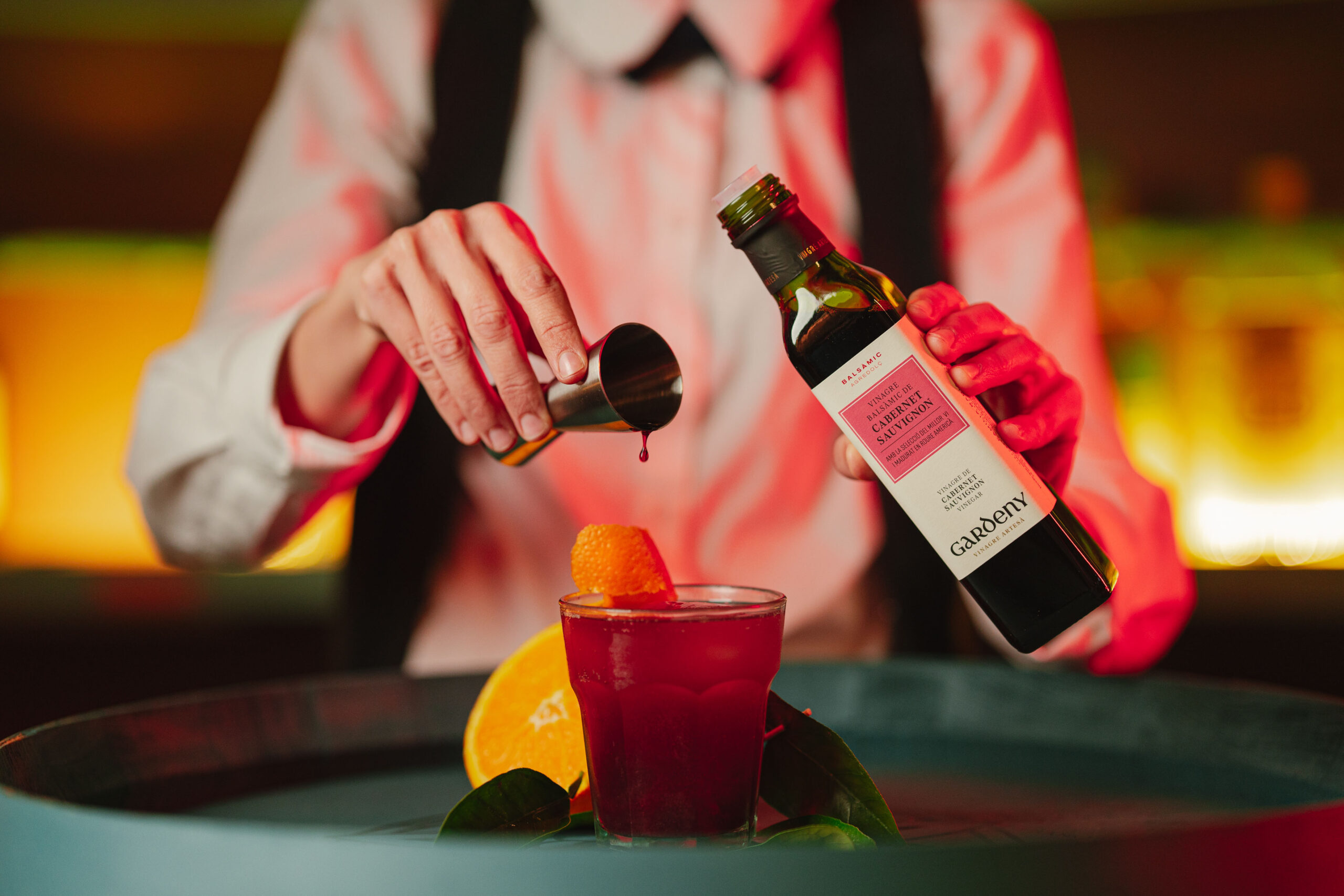
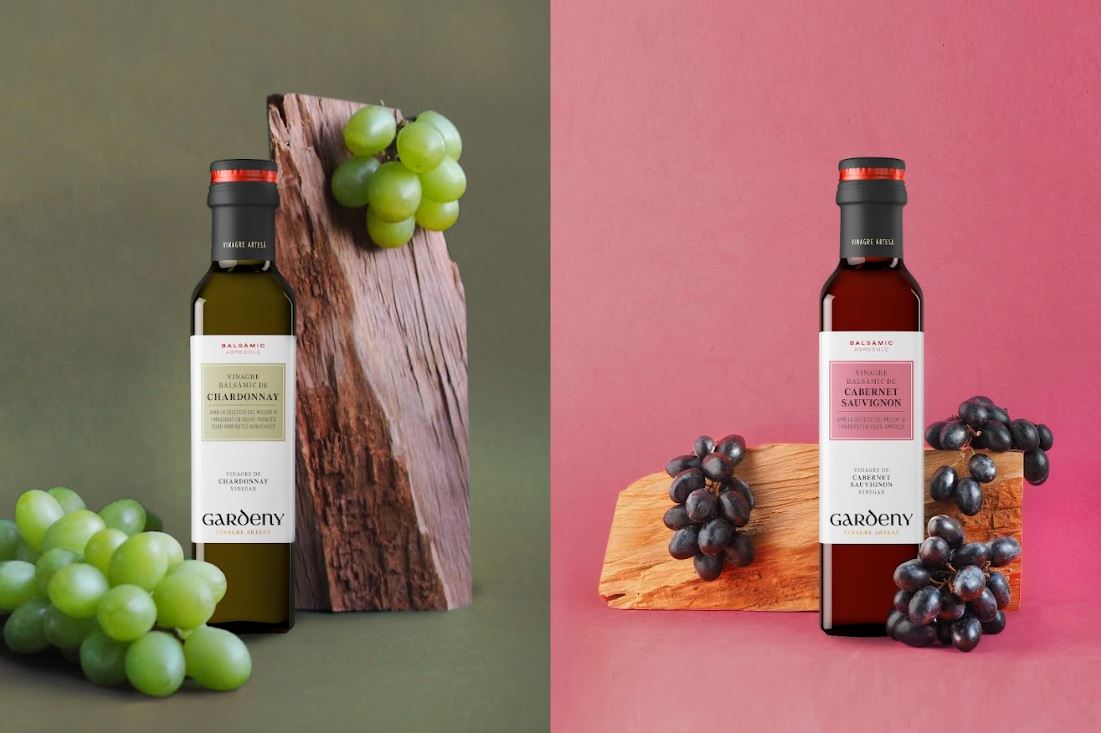
Vinegar made with Cabernet Sauvignon red wine connects us directly with the most authentic and traditional flavours. With an intense aroma and deep flavour, it is ideal for enhancing meat dishes, marinades and canned food. Its versatility makes it a must in any kitchen. From creating vinaigrettes for salads to using it in red meat dishes, this vinegar adds a sophisticated and richly nuanced touch that will transform any recipe.

Recommended applications:

  • Salad vinaigrettes
  • Meat and vegetable marinades
  • Sauces and reductions

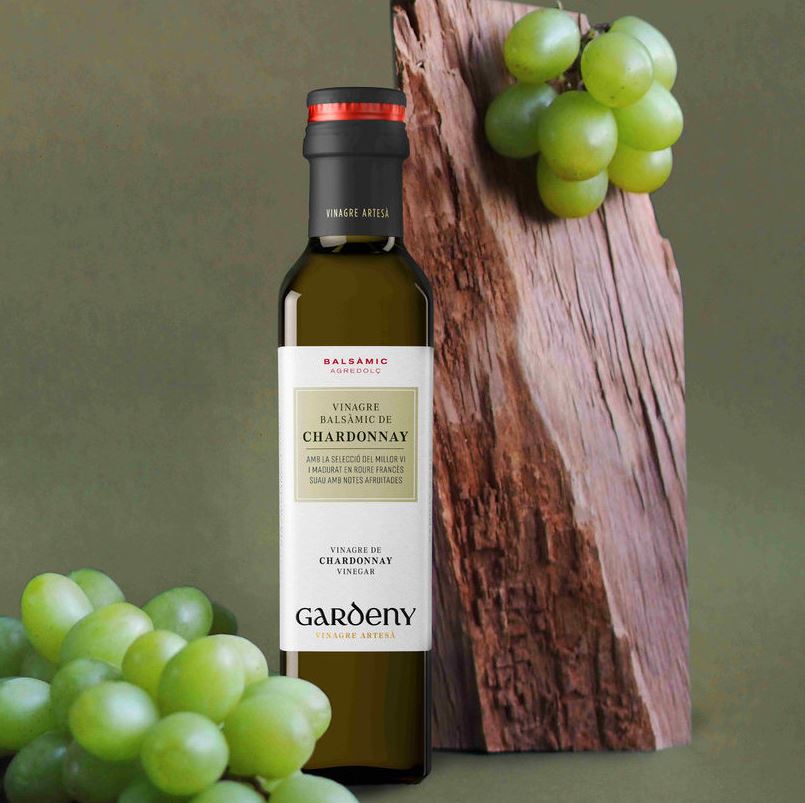
Chardonnay balsamic vinegar

On the other hand, Chardonnay vinegar, made with white wine of the Chardonnay variety, stands out for its fruity and subtle aroma, perfect for seafood dishes, fish and salads. With a smooth texture and a sweet touch, it offers a perfect balance of acidity, making it a very versatile vinegar for white vinegar lovers.

Recommended uses:

  • Marinated anchovies
  • Vinaigrettes for salads
  • Thin sauces for fish and seafood

Badia Vinagres remains faithful to its values of craftsmanship and local production. Each vinegar is made with the best raw materials, following processes that combine tradition with the most advanced technology. The care and dedication we put into each stage of the process ensures that each bottle is a unique experience, keeping alive a centuries-old heritage while constantly innovating.

Find out about our new products and let yourself be surprised by the sophistication and versatility of these vinegars that will make any dish shine.

MarketingReinventing the classics with a contemporary twist: the new generation of Chardonnay and Cabernet Sauvignon vinegars
Read more..

Small sizes, big flavours: This summer, take our vinegars with you wherever you go with our travel sizes

Summer is synonymous with travel, beach getaways, camping holidays and visits to family and friends. And what better way to enrich your summer dining experiences than with our vinegars and bittersweets from the Gardeny range in 40 ml and 100 ml travel sizes?

Quality vinegars in pocket size

The Gardeny range stands apart for being an innovative selection with the ability to surprise the most demanding palates with unique and exciting flavours that take us to a wide world of culinary possibilities. With our travel sizes, you can take this culinary gem with you anywhere, and our miniature vinegars and bittersweets are ideal for adding a special touch to your summer meals, whether you’re enjoying a picnic on the beach, preparing dinner at a campsite or having a barbecue with friends.

These glass bottles are easy to carry in your handbag or backpack, and their compact size makes them ideal for hassle-free air travel. So, it doesn’t matter if you travel to a distant place to visit family or friends, you will always have the exceptional taste of Gardeny vinegars at hand to provide a touch of sophistication to your dishes, or to give as a gift with the Lleida stamp.

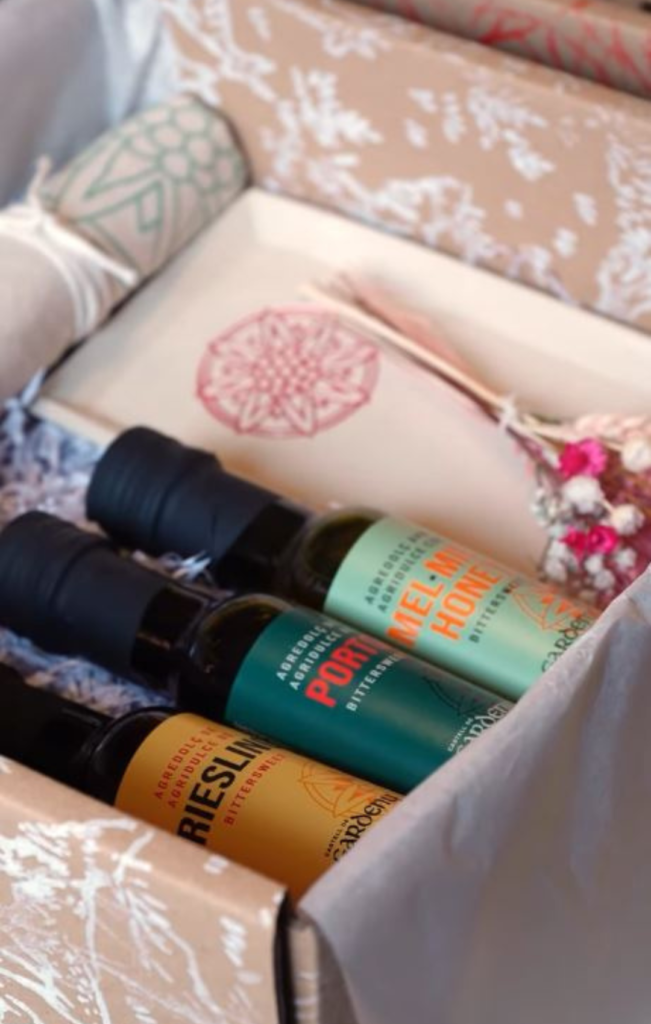
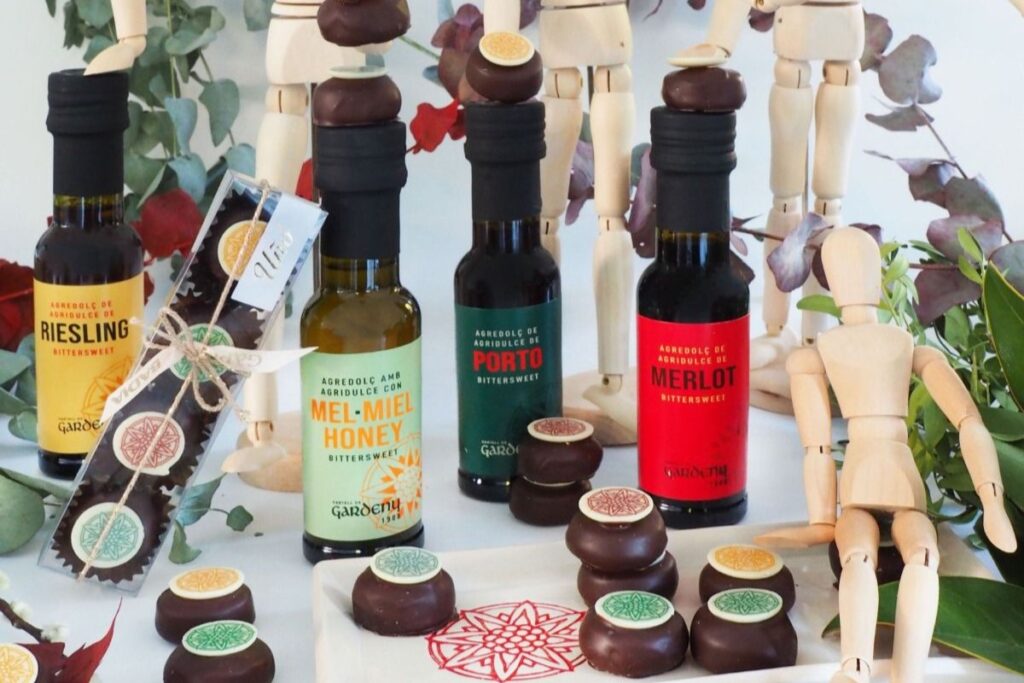
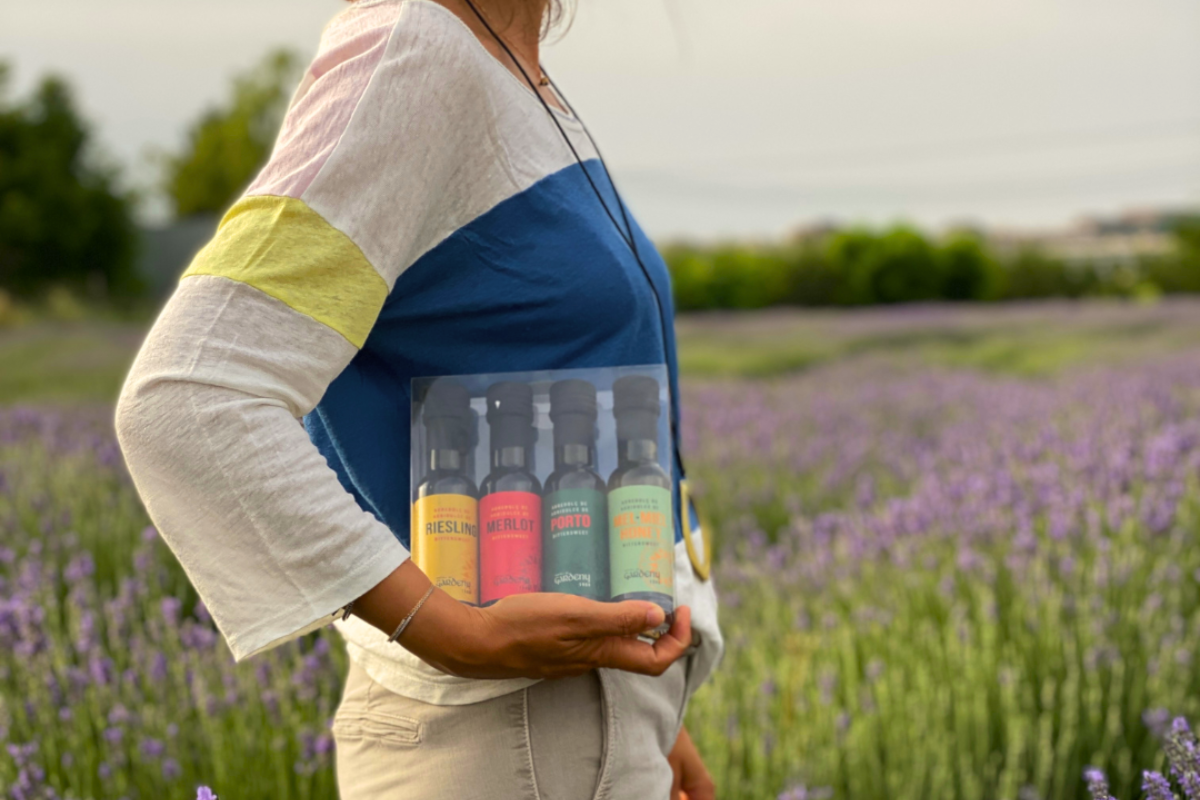
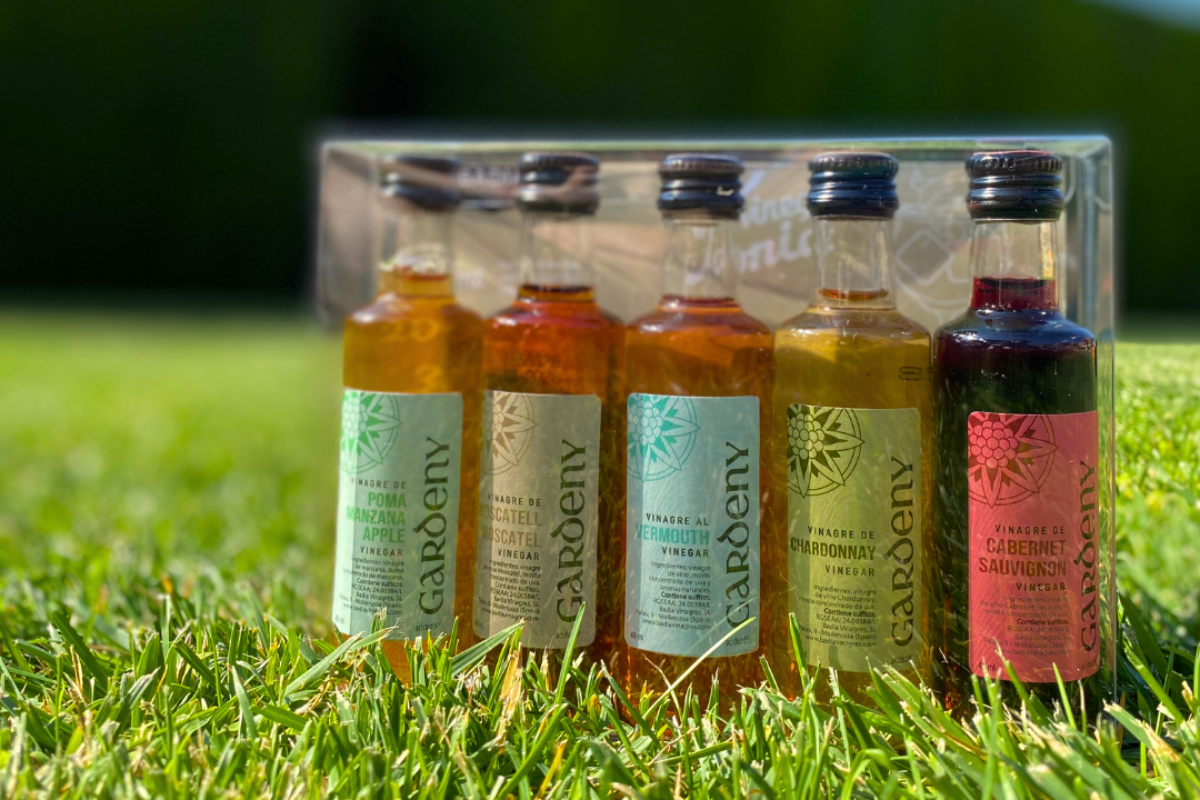
The vinegars in the Gardeny range are available in 40 ml tasting size, and you can choose the ones you like best. We also offer a case with a varied selection of five mini vinegars, a novelty that we are introducing this summer. On the other hand, you can find the bittersweets in 100 ml size that you can purchase separately or in a case that includes the four varieties: Port, Merlot, Riesling and with honey.

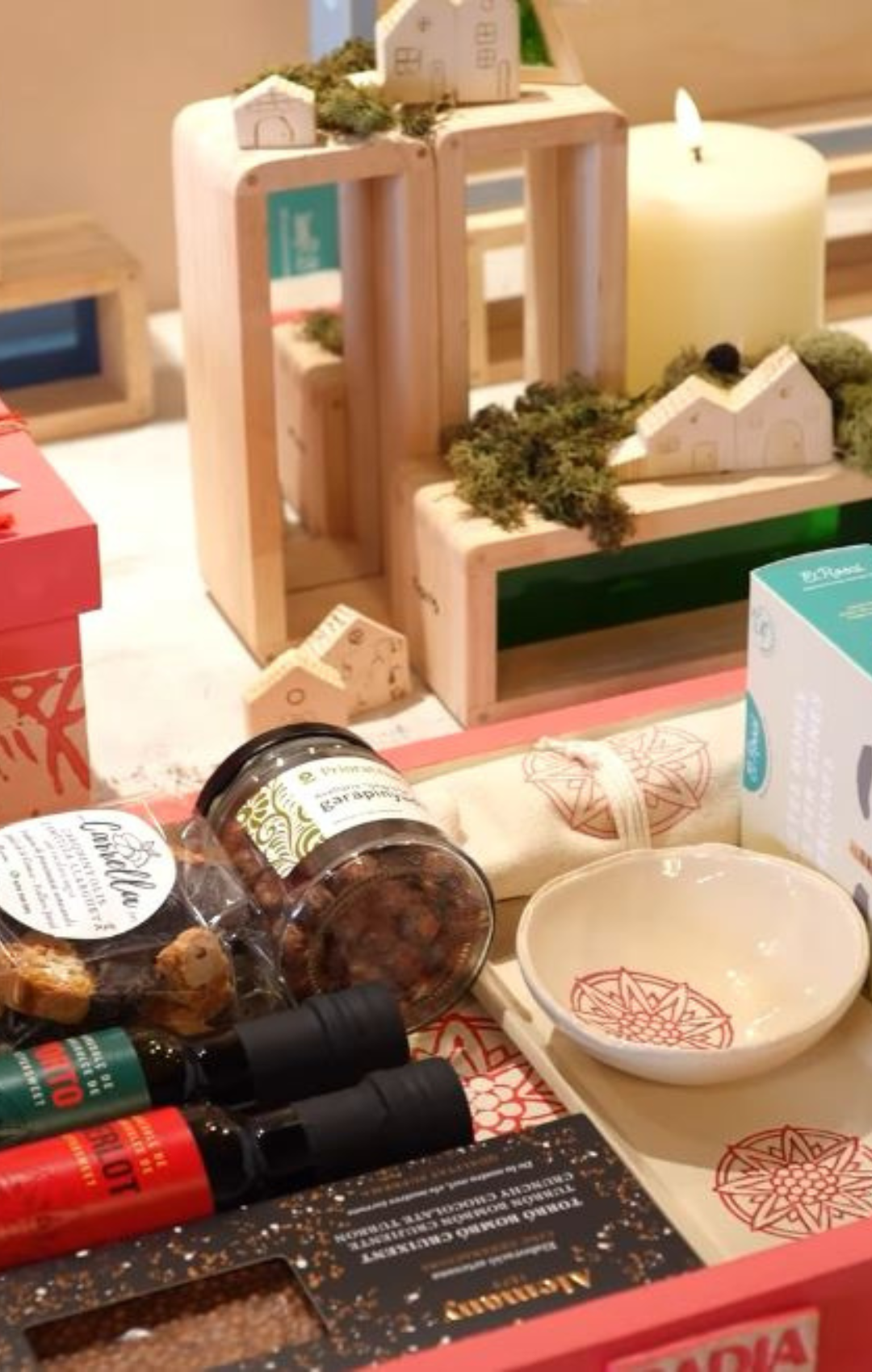
If you want to give someone a special gift, you can find batches like Bellpuig, Vila-sana, Ivars d’Urgell or Palau d’Anglesola. These are presented in a hand-stamped wooden or cardboard box with an original and delicate design.

Our miniatures are perfect for adapting to summer activities, as well as for providing a nice touch or making a good gift. This summer, don’t give up on the quality and innovation of Gardeny vinegars, even when you travel! Enjoy the summer with Badia Vinagres and let yourself be seduced by the sophistication in every drop.

MarketingSmall sizes, big flavours: This summer, take our vinegars with you wherever you go with our travel sizes
Read more..

Pickled aspargus

:: Ingredients ::

  • 10 stalks of fresh white asparagus (alternative: canned)
  • 120 ml of orange juice
  • 1 orange for the zest
  • 70 ml of Badia organic apple cider vinegar with mother of vinegar
  • 40 g of pistachios
  • 60 ml of water
  • 4 black peppercorns
  • 2 cloves
  • 1 tablespoon of honey
  • 1 tablespoon of salt
  • 1 teaspoon of sugar
  • 1 tablespoon of butter

:: Preparation ::

Cooking the asparagus:

1. Clean and peel the asparagus. Tie them together with string. 

2. Bring water to a boil in a tall, narrow saucepan with a tablespoonful of salt and a teaspoonful of sugar. 

3. When it boils, put the asparagus in so that only the tips are sticking out. Cook the asparagus for about 10-20 minutes, depending on thickness, until tender.

4. Place them in a bowl of cold water to stop the cooking and let them cool.


Orange pickle:

5. In a saucepan, add the orange juice, the Badia organic apple cider vinegar with mother, the water, the pepper, the cloves, the orange zest and a pinch of salt. Cook for about 5-10 minutes and remove from the heat. 

6. Place the asparagus in an airtight container and pour the pickle over it and let it sit in the fridge for 24 hours.


Presentation of the dish:

7. Toast the chopped pistachios in a pan. 

8. Add a tablespoonful of butter; when melted, add between 4 and 8 tablespoons of the asparagus pickle along with a tablespoon of honey. Cook and reduce the sauce and remove from the heat. 

9. Serve the asparagus on a plate and top with the sauce. You can also accompany the dish with fresh orange.

Did you like this recipe? Continue to discover how to use our vinegars and bittersweets

MarketingPickled aspargus
Read more..

Apple vinegar and cider vinegar: Are they the same product?

Recently, a customer asked us an interesting question: “Are apple vinegar and cider vinegar the same?” and we thought it would be helpful to clarify this concept for all of our followers. So, we explain it to you in this blog.

To begin with, it has to be said; yes, apple vinegar and cider vinegar are the same thing. The confusion often comes from the production process. To make apple cider vinegar, firstly, the apple juice must go through an alcoholic fermentation process to become cider. Afterwards, this cider must go through a second fermentation process, this time acetic, to become apple cider vinegar. In short, vinegar cannot be made directly from apple juice, it must first become cider.

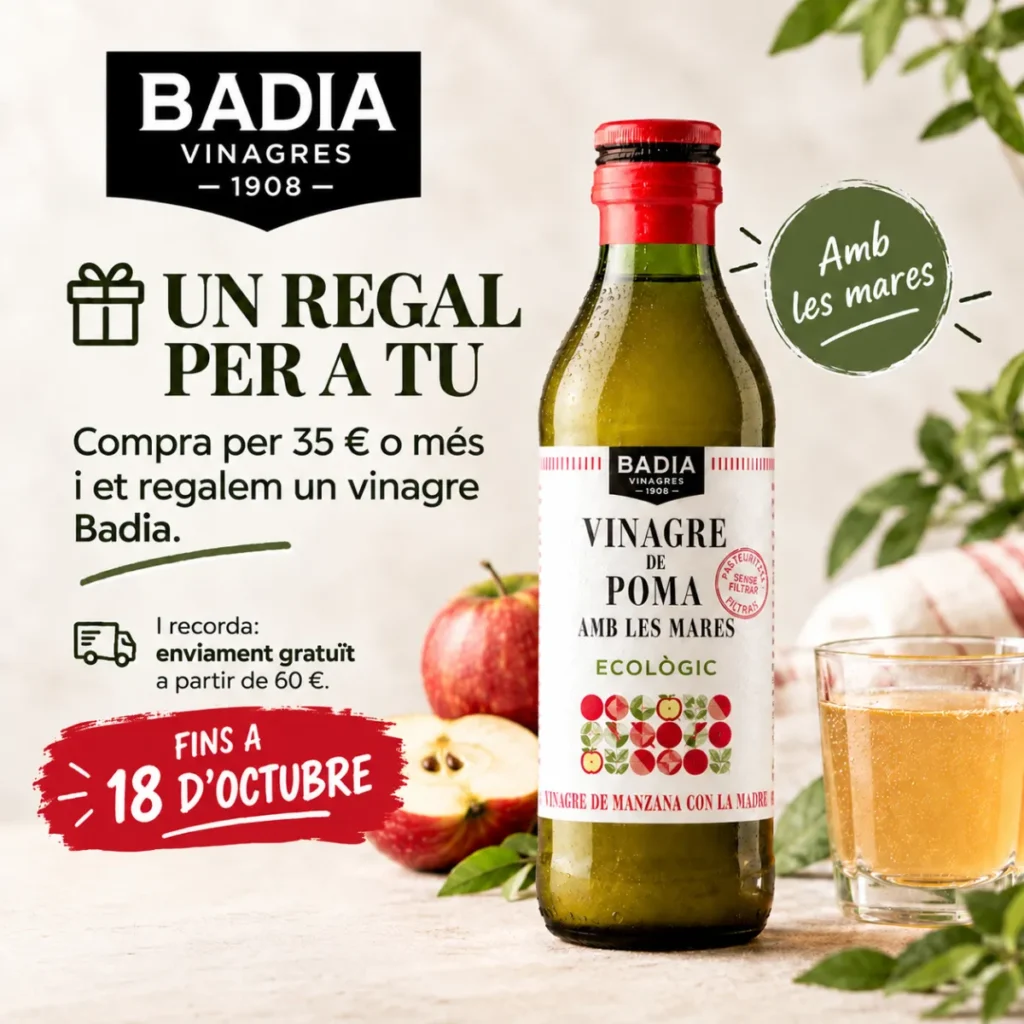
At Badia Vinegars, we offer two types of apple cider vinegar: apple cider balsamic vinegar and unfiltered organic apple cider vinegar with the mother. Both have 5 degrees of acidity and are made with apples from Lleida, but each has particular characteristics and uses.

Apple Cider Balsamic Vinegar

Apple cider balsamic vinegar is made with the juice of apples picked at just the right point of ripeness.

This vinegar has a milder acidity than wine, with very balanced sweet notes. In addition, it contains concentrated apple juice, which gives it a sweeter, milder and more culinary flavour.

This vinegar, which is part of our Gardeny range, is perfect for cooking and providing a differentiating touch to our salads and dishes.

Organic apple cider vinegar with mothers

On the other hand, organic apple cider vinegar with mothers is unfiltered and unpasteurised vinegar, so it contains the mother of vinegar and does not contain gluten or sulphites. This vinegar has a dry, fresh and traditional flavour, a clear reflection of what our Badia product range is all about.

It retains all of the beneficial properties of apple cider vinegar, such as promoting good digestion, its antimicrobial and antioxidant effects, helps us regulate blood sugar levels and improves our cardiovascular health, among other things. This vinegar is ideal for those looking for a natural and 100% organic option.

In summary, although apple cider vinegar and cider vinegar are the same, at Badia Vinegars we offer varieties that suit different culinary needs and tastes.

Whether you’re looking for a sweet, smooth twist to your recipes with our apple cider balsamic vinegar, or prefer a healthier, more traditional option with our organic apple cider vinegar with mothers, we’ve got the perfect solution!

MarketingApple vinegar and cider vinegar: Are they the same product?
Read more..

Cauliflower and leek velouté

:: Ingredients ::

  • 1 leek
  • 1/2 cauliflower
  • 1 sweet onion
  • 1 L of water or vegetable stock (approx.)
  • 25 ml of extra virgin olive oil
  • 15 ml of Badia white wine vinegar
  • Salt
  • Pepper
  • Chives or aromatic herbs (optional)
  • Cream (optional)

:: Preparació ::

  1. Clean and chop the leek, cauliflower and onion. Brown them with olive oil in a saucepan.
  2. Add water or vegetable stock. Bring to the boil, then simmer for about 10 minutes, until both the cauliflower and leek are tender.
  3. Remove from the heat and strain; set the liquid aside.
  4. Add 25 ml of olive oil, 15 ml of Badia white wine vinegar, salt and pepper. Whisk it and add some of the liquid set aside until you get the desired texture.

Presentation of the dish
Serve in a bowl. You can add a splash of cream, Badia white wine vinegar, olive oil, aromatic herbs or fried leek to decorate.

Did you like this recipe? Continue to discover how to use our vinegars and bittersweets

MarketingCauliflower and leek velouté
Read more..

The new era of the Badia range

Without a doubt, the most enriching experiences in life are those that connect us with our roots and traditions. And here at Badia Vinagres we do it through flavours that last over time.

Five generations and more than 100 years of artisanal vinegar production, in constant evolution, have left an indelible mark on our family heritage. And this has resulted in a great entrepreneurial and innovative spirit.

Each of our vinegars is the result of this family legacy, which has evolved through experience, passion and innovation. And it is through this constant evolution that today we have presented the news about our most traditional range: the Badia range.

We have designed some new labels, lending them a more modern touch which perfectly reflect our commitment to adapting to new times, but without losing the essence of our tradition.

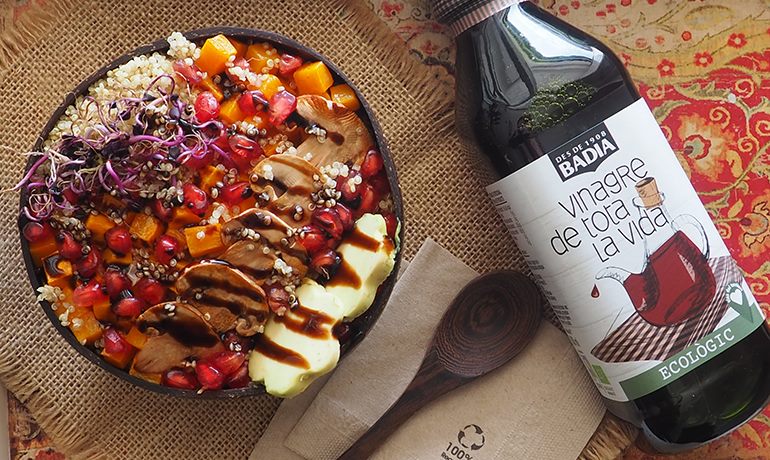
What’s more, we have added a new product to the Badia line: organic white wine vinegar. Until now, the range was made up of organic red wine vinegar – the traditional one – and organic apple cider vinegar from Lleida, unfiltered and with mothers.

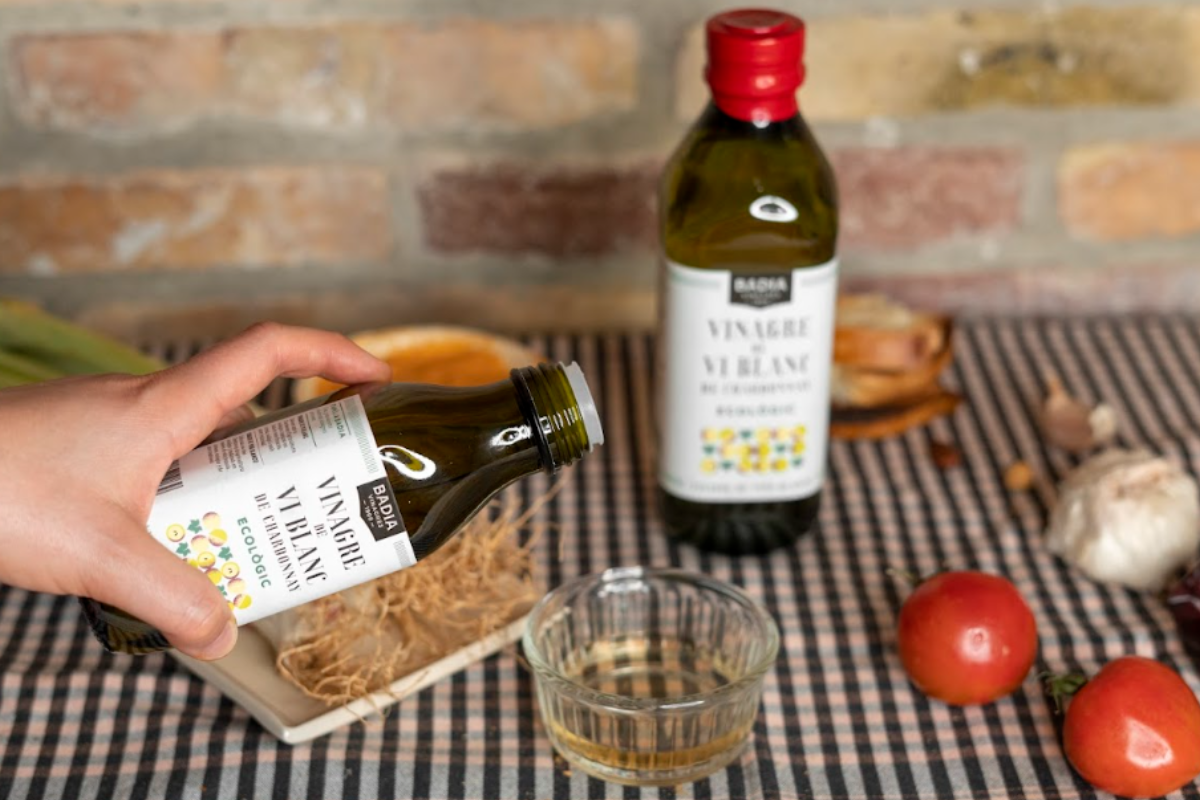
White wine vinegar is a fresher, more elegant variant of traditional vinegar. It is produced from the fermentation of white wine, from the Chardonnay grape variety. This fermentation process converts the alcohol in wine into acetic acid, resulting in a vinegar with a distinctive flavour profile.

This vinegar has a light, bright colour, with a soft and fresh aroma. Its flavour is delicate and slightly acidic; and unlike Cabernet Sauvignon red wine vinegar, which can have a more intense and robust note, white wine vinegar is smoother and more balanced.

It is ideal for salads, marinades, sauces and seasonings in which it is wished to accentuate the flavour. Its versatility in the kitchen makes it a highly appreciated ingredient by chefs and cooking enthusiasts, who can use it to lend a touch of sophistication to their dishes. In addition, white wine vinegar can also be used to marinate foods such as meat and fish, or even as an ingredient in refreshing drinks and cocktails.

In summary, the renewal of the Badia range of Badia Vinagres is much more than a simple update. It is a testament to our commitment to quality, tradition and innovation. Each vinegar are an expression of our territory and our dedication to offering you the best.


We invite you to embark on this journey of flavours in which each drop connects us with more than one hundred years of artisanal experience.

MarketingThe new era of the Badia range
Read more..

Badia and Gardeny: two brands, one family

Five generations of Badia Vinagres have given their all. We have been making artisanal vinegars for more than a hundred years and we make every endeavour to offer you the most traditional flavours with a unique seal of authenticity.

In recent years, thanks to our experience, passion and innovation, we have included new flavours that define us perfectly. The most traditional vinegars, such as apple vinegar or traditional wine vinegar, bear our Badia seal, and the most innovative vinegars and bittersweets are part of our range Gardeny. They are two different concepts, but they have been created at the same factory.

Our line of Badia vinegars is like a journey towards our roots and traditions. Every drop of these vinegars connects us with more than one hundred years of artisanal experience. Badia vinegars are an expression of our territory and our dedication to offering you the best. The Badia range, made up of the most traditional flavoured vinegars, such as traditional organic wine vinegar and organic apple cider vinegar, enriches our more everyday preparations.

On the other hand, the Gardeny family of vinegars is a universe of discovery and culinary innovation. It is made up of a wide range of vinegars and bittersweets with surprising flavours that whisk us away to a world of infinite gastronomic possibilities. These vinegars are designed for the most demanding palates and the most creative cuisines, offering a unique, exciting experience. It is the perfect choice for experimenting with new combinations and flavours. At present, the Gardeny range is made up of more than a dozen balsamic vinegars and bittersweets which won’t leave you unmoved.

As we have already explained to you in previous publications on our blog, when we talk about balsamic vinegar we are referring to a very delicate product with a subtle sweetness that only contains two ingredients: wine and grape must. It is the preferred choice for those palates looking for a touch less acidity. On the other hand, bittersweets are food condiments with an acidity below 6%, which means that they cannot be called vinegars, technically, but they fulfil the same function. They are designed for those people who are not lovers of overly acidic flavours, but who want to give a surprising touch to their dishes.

Whether you opt for the tradition and authenticity of Badia vinegars or the daring and innovation of Gardeny vinegars, experiment and be seduced by the sophistication of our products.

MarketingBadia and Gardeny: two brands, one family
Read more..

The female legacy of Badia Vinagres: Women who have preserved our family tradition

We are proud to be the fifth generation in charge of our family business which has been operating in the vinegar industry for more than a century. We are Judit and Marta, two passionate sisters who are proud of our family’s achievements and who feel a deep connection to our roots and the legacy left by previous generations.

To mark International Women’s Day, we want to express our deep admiration for the women who have formed part of our business over the years and whose roles, while not principal, were vital for the smooth operation of Badia Vinagres.

We would like to begin by talking about our mother, Ester Costa. She is an energetic woman who has devoted her body and soul to her children, her house and her own business. What’s more, she has been, and remains, a fundamental pillar for Badia Vinagres. We must also dedicate a few words to our aunt Maite, who also worked for the family business and charmed the whole town.

It warms our hearts to talk about our grandmother, Anna María Martí, who raised four children including our father, Agustí Badia. She was the family’s backbone, taking charge of the house’s upkeep and the children’s upbringing. Our great aunt Mundeta, who had to run her own business while being responsible for the housekeeping, was another key individual in this third generation of women. Our grandmother and great-aunt also devoted themselves to the family company when needed. 

Our great-grandmother, Treseta Carrera, supported a family of six children. Not only did she take care of her parents until the very last moment, but she was also in charge of housekeeping and organising the family business. By looking back at previous generations, we can appreciate the importance of women in all the successful businesses whose visible face was, and still is, a man. All these women have been crucial in keeping family businesses like Badia Vinagres running. We must also highlight the role of Maria Polo in this second generation of women, who was like a second grandmother to us. Besides the housekeeping, she was also in charge of supporting and maintaining the vinegar factory.

Our great-great-grandmother Anna Vilà was a crucial figure in the creation of the business. Starting up a business as a woman and devoting yourself to both your family and company must not have been easy in the early 20th century.

We are grateful for your dedication, your efforts and your unconditional love. You are a vital part of our history and our present, and we will always remember you fondly.

Thank you wholeheartedly. You are a source of inspiration.

Judit and Marta Badia

MarketingThe female legacy of Badia Vinagres: Women who have preserved our family tradition
Read more..

Carrot cake with catalan vinaigrette

:: Ingredients ::

  • 300 g carrot
  • 5 eggs
  • 200 g sugar
  • 200 g flour
  • 1 sachet of yeast
  • 1 dose of Catalan Vinaigrette:
    o 50 ml Bittersweet of Porto
    o 100 ml extra virgin olive oil
    o ½ teaspoon of salt
    o 10 g toasted hazelnuts
    o 10 g toasted almonds
    o 10 g pine nuts
    o 10 g raisins

:: Preparation ::

1. Beat the egg yolks and sugar.
2. Add the flour, the yeast and the Catalan vinaigrette.
3. Clean, peel and grate the carrots.
4. Add and mix everything together.
5. Beat the whites until stiff.
6. Add slowly and mix gently.
7. Place the cake dough in a non-stick baking mould.
8. Bake in the oven at 200°C about 45 minutes, until cooked in the centre and
brown.
9. Remove from the mould and serve.

Did you like this recipe? Continue to discover how to use our vinegars and bittersweets

MarketingCarrot cake with catalan vinaigrette
Read more..

History and uses of vinegar throughout the millennia

The history of vinegar is fascinating and takes us on a long journey through time, from preserved foods in ancient Mesopotamia to contemporary culinary delights such as romesco sauce.

Its origin goes back millennia: the first references date back to 5,000 BCE, when the first alcoholic beverages appeared, including the first drinking vinegars. We can find several references throughout the centuries: for example, in Ancient Greece the mixture of water, honey and vinegar was common and known as oxycrat, while in Rome the popular drink posca, the same condiment mixed with water, was considered a source of strength. It was in Mesopotamia however, around 2,400 BCE, that vinegar became an essential means of preserving food, allowing it to remain fresh for long periods of time. This innovation gave rise to pickles and pickling, a technique still used today to preserve vegetables, meat and fish.

Over time, vinegar became a fundamental culinary ingredient. In the 2nd century CE, its use as a sauce or condiment spread and became a key element in advanced gastronomy to add balance, clean fats or provide acidity and freshness. Adding it to dishes such as salads – together with oil and salt – made it an indispensable ingredient in Mediterranean and Asian cuisine.

Its original recipe includes ingredients that were abundant in the region, such as almonds, olive oil, tomato, nyora – a variety of dried pepper -, garlic and, of course, vinegar. Over time, romesco sauce has become a key ingredient in Catalan cuisine and is used to accompany a wide range of dishes, from traditional calçots, fish and seafood to grilled meats, vegetables or toasted bread. Its popularity has grown so much that today it is one of the most recognised and loved sauces in Mediterranean cuisine.

Our Badia vinegars are the perfect complement to traditional sauces such as romesco, mayonnaise or aioli.

Vinegar and its multiple uses have accompanied humanity for millennia: let’s appreciate its versatility and richness!

MarketingHistory and uses of vinegar throughout the millennia
Read more..